



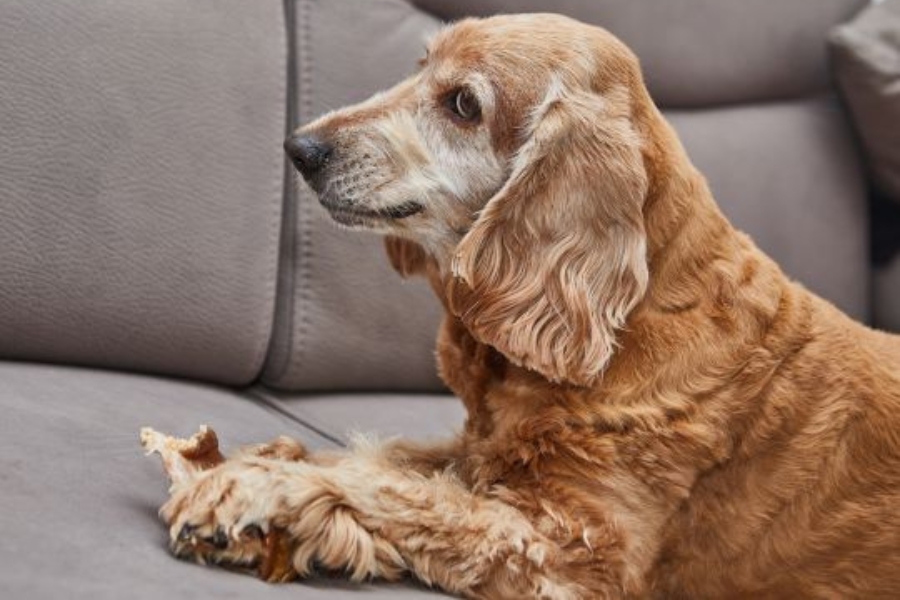
As our dogs age, they transition into a new phase of life that requires special attention and care. Senior dogs, just like senior humans, face unique health challenges and require tailored care to ensure they remain happy and healthy in their golden years. From dietary changes to regular veterinary visits, every aspect of senior dog care must be carefully considered.
In this blog post, we’ll explore the key aspects of caring for a senior dog, providing tips and advice on how to make their later years as comfortable and joyful as possible. This blog is especially for dog owners in Denver, CO, looking to ensure their aging companions receive the best care.
1. Understanding the Aging Process in Dogs
Just as with humans, aging in dogs comes with its own set of changes, both physical and mental. These changes can range from slower movement and changes in behavior to more serious health conditions like arthritis, vision loss, or cognitive dysfunction syndrome (similar to dementia in humans).
How Aging Affects Your Dog: As dogs age, they may experience decreased energy levels, and they may no longer be as playful or energetic as they once were. It is essential to recognize these signs early so that proper adjustments can be made in their care routine. Aging dogs may also develop dental issues, require special diets, and may need extra care when it comes to mobility.
2. Regular Veterinary Check-Ups
Routine veterinary visits are essential for senior dog care. Just like humans, senior dogs are more susceptible to various health conditions that can go unnoticed without a regular check-up. Regular exams allow your vet to detect any potential issues early, ensuring your pet gets the treatment they need before problems become serious.
How It Helps: Senior dogs often need check-ups every six months, or more frequently if they have health conditions. These exams typically include a physical exam, blood tests, urinalysis, and sometimes X-rays or ultrasounds, depending on the dog’s age and overall health. Early detection of issues like kidney disease, arthritis, or diabetes can significantly improve your dog’s quality of life and allow for effective management.
3. Diet and Nutrition for Senior Dogs
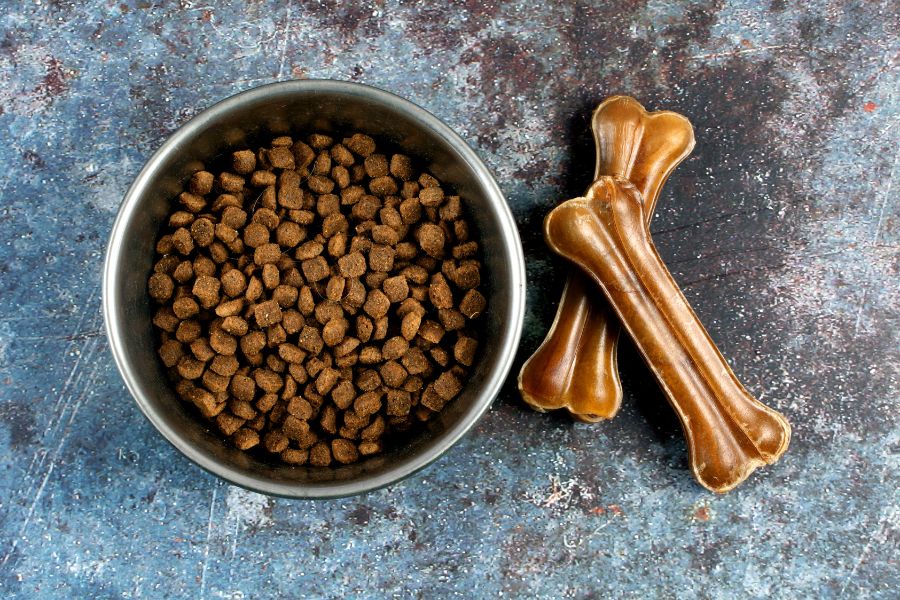
A proper diet is one of the most important aspects of senior dog care. As dogs age, their nutritional needs change. They may require fewer calories, but more vitamins, fiber, and protein to maintain muscle mass and support joint health.
How It Helps: Senior dog food is specially formulated to meet the unique nutritional requirements of aging dogs. These diets are typically lower in fat and higher in fiber, which can help with weight management and digestion. Additionally, senior dog food may contain supplements like glucosamine and chondroitin to support joint health, which is crucial for older dogs who often develop arthritis.
Transitioning to Senior Dog Food: If you haven’t already, consider transitioning your dog to a senior-formulated food once they reach the age of seven or eight, depending on their breed and size. This food will ensure that your dog receives the right balance of nutrients to maintain energy, joint health, and a healthy coat.
4. Exercise and Mental Stimulation
While your senior dog may not have the same energy levels as they did in their youth, exercise is still important. Regular physical activity helps maintain muscle mass, supports joint health, and keeps your dog’s heart and lungs healthy.
How It Helps: Exercise also has mental benefits. Physical activity stimulates your dog’s brain, keeping them alert and engaged. For senior dogs, gentle walks, short play sessions, or swimming (if possible) are excellent options. It’s important to adjust the intensity and duration of their exercise routine to match their current ability.
Mental Stimulation: Senior dogs can also experience cognitive decline, so mental stimulation is essential. Interactive toys, puzzle feeders, and training exercises help keep their minds sharp. Spending quality time with your dog, such as teaching new tricks or introducing new activities, can help slow down cognitive decline and keep your pet engaged and happy.
5. Joint Health and Mobility
As dogs age, joint issues such as arthritis are common. Senior dogs may have difficulty jumping, climbing stairs, or even getting up from a lying position. Managing their mobility is crucial for senior dog care.
How It Helps: If you notice that your dog is limping, has trouble moving around, or seems to be in pain when walking or jumping, it may be a sign of arthritis or other joint issues. Speak with your vet about joint supplements, anti-inflammatory medications, or physical therapy options that may help manage their symptoms.
Comfortable Living Spaces: Make sure your home is set up to accommodate your dog’s changing mobility needs. Provide soft bedding to reduce pressure on their joints and keep their living space free from obstacles. If your dog is having trouble with stairs, consider adding a ramp to make accessing furniture or outdoor areas easier.
6. Dental Care for Senior Dogs
Dental health is often overlooked, but it’s just as important in senior dogs as it is in younger ones. Dental disease can lead to pain, difficulty eating, and even more serious health issues like heart disease or kidney problems.
How It Helps: Regular dental check-ups and cleanings are essential for senior dog care. Your vet will assess your dog’s teeth and gums for signs of dental disease, such as plaque buildup, gum inflammation, or tooth decay. In addition to professional cleanings, regular brushing at home can help prevent plaque and tartar buildup, reducing the risk of more severe dental issues.
7. Caring for Your Senior Dog’s Mental Health
Senior dogs are also susceptible to mental health issues, such as anxiety or cognitive dysfunction. Cognitive dysfunction syndrome (CDS) is a common condition in aging dogs that can cause confusion, disrupted sleep patterns, and behavioral changes.
How It Helps: If your dog is showing signs of confusion, such as getting lost in familiar places, forgetting commands, or acting disoriented, it may be an indication of cognitive dysfunction. Speak with your vet, as there are medications and supplements available that can help manage the symptoms and improve your dog’s quality of life.
Comfort and Reassurance: Offering your senior dog plenty of affection, maintaining a routine, and providing a calm environment can help ease anxiety and stress. If your dog is becoming more anxious or less sociable, talk to your veterinarian about potential treatment options to improve their emotional well-being.
8. Grooming and Skin Care
As dogs age, their skin may become thinner, and their coat may lose some of its luster. Regular grooming is essential to keep your senior dog comfortable and healthy.
How It Helps: Brushing your dog’s coat regularly not only keeps it clean but also promotes circulation and allows you to check for skin conditions or abnormalities such as lumps, bumps, or sores. Bathing your dog periodically with age-appropriate shampoo can help maintain healthy skin and coat. Make sure to check your dog’s ears, eyes, and nails during grooming sessions as well.
Localizing Senior Dog Care in Denver, CO
For pet owners in Denver, CO, it’s important to ensure that your senior dog receives the best care possible. With the unique environment and outdoor lifestyle of Denver, senior dogs can benefit from adjustments in their exercise routine, temperature-controlled living spaces, and proper joint care. At 5280 Veterinary Care, we understand the specific needs of senior dogs in our area, and our team is here to help keep your aging companion comfortable and happy.
Caring for a senior dog requires patience, understanding, and a commitment to providing the best care possible. From adjusting their diet and exercise routine to addressing joint pain, dental health, and mental well-being, senior dog care involves many aspects that contribute to their overall health. Regular veterinary visits are essential for detecting health issues early and ensuring your pet receives the treatment they need to stay healthy and happy.
If you’re in Denver, CO, and need expert senior dog care, schedule an appointment with 5280 Veterinary Care. Our veterinary team is dedicated to helping your senior dog live a long, happy, and healthy life.
caring-for-a-senior-dog-keeping-your-pet-healthy-and-happy
FAQs
Q1. How often should senior dogs visit the vet?
Ans. Senior dogs should visit the vet at least every six months for routine check-ups and diagnostic tests to monitor their health and detect any potential issues early.
Q2. What signs indicate that my senior dog may have arthritis?
Ans. Signs of arthritis in senior dogs include limping, difficulty getting up, reluctance to jump or climb stairs, and stiffness after rest. Consult your vet if you notice these symptoms.
Q3. Can I give my senior dog supplements for joint health?
Ans. Yes, joint supplements like glucosamine and chondroitin are commonly used to support joint health in senior dogs. Consult your vet for recommendations on the right supplements.
Q4. How can I help my senior dog stay mentally sharp?
Ans. Engage your senior dog in mental stimulation activities like puzzle toys, training sessions, and interactive games to keep their mind sharp and reduce the risk of cognitive decline.
Q5. What should I do if my senior dog has trouble with their teeth?
Ans. Regular dental check-ups are essential for senior dogs. If your dog has dental issues, consult your vet for professional cleanings, and consider brushing their teeth at home regularly.
Q6. How can I tell if my senior dog is in pain?
Ans. Signs of pain in senior dogs include limping, whining, difficulty standing or walking, excessive licking, and behavioral changes. If you notice these signs, seek veterinary care immediately.
Related Articles