



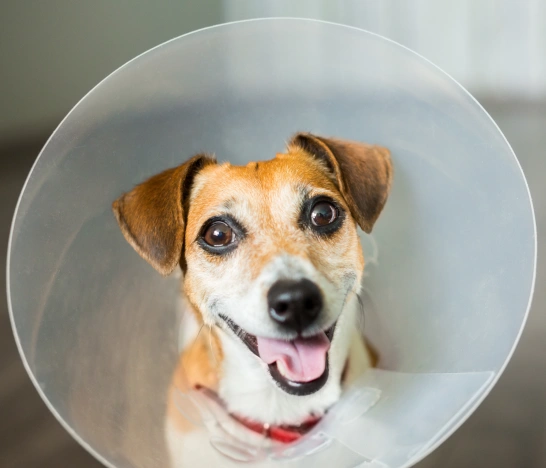
Professional Veterinary Surgical Care for Pets
We understand that surgery can be a stressful time for both you and your pet. At 5280 Veterinary Care, we want you to know that we’re here for you throughout every step of the way. Whether your pet needs a routine spay/neuter surgery, or a more advanced procedure, we take extreme care and caution to make your pet feel comfortable throughout the process.
General & Advanced Surgery
Many pet owners experience stress or anxiety at the prospect of having their beloved dog or cat undergo a surgical procedure, but at 5280 Veterinary Care these feelings can be alleviated thanks to our excellent surgical team. We take every safety measure and precaution to ensure that all surgeries are performed with immaculate attention to detail and high regard for our patient’s comfort. We are equipped to provide both general and advanced surgeries with the same level of accuracy and success. Here is an overview of our surgical process:
- Prior to any surgery we perform a physical examination, complete with pre-anesthetic bloodwork, to check your pet is healthy enough for both the procedure and anesthesia.
- During the surgery, we always monitor the patient continuously while under the effects of anesthesia and administer pain relief accordingly.
- Post surgery, we will continue to monitor the patient’s pain level so they can wake up as comfortably as possible.
Below are explanations of some of the most common surgeries we perform at 5280 Veterinary Care:
Soft Tissue Surgery
This term describes any surgery that is unrelated to the joints or bones. For example, spay/neuter procedure, trauma and laceration repair, mass removal, hernia repair, and bladder stone removal are all soft tissue surgeries.
Surgical Oncology
This term refers to any surgery that is a part of a cancer treatment plan. These surgeries typically aim to remove or stop the spread of cancer throughout the body, and/or improve the animal’s overall quality of life. Cancer treatments usually involve several strategic components, including surgical oncology.
Mass Removal
This type of surgery is typically performed to eliminate a cancerous or benign tumor, cyst, or hernia. It is sometimes important to remove even benign tumors because there is still a chance they could become cancerous over time. Benign tumors may also negatively affect surrounding tissues by pressing on them. Completely removing the mass is typically the safest route of action to pursue, but our doctors will make this determination based on your pet’s unique situation.
Gastrointestinal Procedures
The goals of these procedures are related to the digestive system. Acid reflux, colon cancer, gallstones, and hernias are all examples of gastrointestinal procedures.
Splenectomy Surgery
This surgery completely removes the spleen. It is not typically the first course of action, but for some patients, it is the best option.
Foreign Body Removal
This procedure is in response to when a pet ingests an object which cannot be safely passed through their body. It is important to call us if you ever suspect that your pet has eaten a foreign body because it could be a serious or even life-threatening issue.
Spay/Neuter Procedure
We highly recommend spaying and neutering your pet for their health and safety, as well as your own convenience. Intact animals are more likely to run away or escape in attempt to seek out mates. Neutered and spayed animals tend to have longer life expectancies for a myriad of reasons, including less likelihood for disease or infection. Neutered or spayed pets are also easier to care for because the procedure decreases unwanted sexual behaviors. In addition to making life easier for you and your pet, spaying and neutering is key to controlling the pet population and decreasing the amount of adoptable animals in shelters.
Our team is expertly trained in spay and neuter procedures. During both the surgery and recovery period, we strive to make sure the dog or cat is kept as comfortable as possible. We will closely monitor them for as long as they are in our care.
Neutering refers to the surgical removal of the testicles of male animals. It can lessen aggressive behaviors and the desire to roam, and decrease the chances of contracting prostate or testicular cancers. Prior to the surgery we will perform a pre-operative physical examination and blood work to ensure that the pet will be given a precise and safe dosage of anesthesia. Recovery after neutering is typically easy and involves minimal aftercare.
Spaying refers to the surgical removal of the ovaries and uterus in female animals to eliminate heat periods and the potential for pregnancy. This operation is preferably performed between 5-12 months of age, prior to the the puppy or kitten’s first heat. In addition to preventing pregnancy and heat periods (which can be burdensome to deal with), spaying can prevent uterine infections, ovarian and uterine tumors, and other diseases related to the reproductive system. It can also decrease the risk of malignant breast cancer by up to 90% if performed before their first heat! As with spaying, we will perform a pre-operative examination to prepare for optimal safety for the anesthesia and surgery.
Pain Management
We want your pet to live the happiest, healthiest, and longest life possible. In some instances, working towards this goal involves the management of chronic or acute pain. Relief or alleviation from pain can take many different routes. Our doctors and staff are here to help you decide what the best remedy is for both you and your pet.
Acute pain is sudden and sharp. It is not long-lasting, and typically is subdued when the cause of the pain is addressed. Some examples of what can cause acute pain include dental disease or a surgical procedure. Often the root of the problem can be anticipated, and therefore the best way to treat acute pain is pre-emptive.
Chronic pain is constant and less easily thwarted. The onset is often gradual, accompanying diseases like arthritis or cancer. As our pets age, their chances of contracting a condition that may cause chronic pain increases. Appropriate pain management is intracetly associated with the afflicted pet’s quality of life.
Here are some common signs of pet pain:
- Lethargy
- Restlessness, or constantly seeking to find a more comfortable position
- Increased vocalization
- Aggression when approached or handled
- Decreased grooming
- Changes in behavior
- Changes in eating or sleeping patterns
- Seeking more affection than usual
- Licking or chewing a particular area of the body
- Body language cues such as flattened ears and facial expressions
Our doctors and staff are here to help with any of these symptoms of pain with a customized treatment plan.