



When your pet undergoes surgery, whether it’s a routine procedure or an emergency, it’s normal to feel a bit anxious during their recovery period. You want to ensure that they heal well and are free from complications. One of the most concerning complications after surgery is infection. As a responsible pet owner, it’s essential to be aware of the signs of infection after your pet’s surgery, so you can seek prompt veterinary care if needed.
This blog is especially for pet owners in Denver, CO, who want to ensure their pets recover safely after surgery. Recognizing the early warning signs of infection can make all the difference in preventing serious complications and ensuring a smooth recovery for your furry friend.
In this guide, you will understand what to look for after your pet’s surgery and how to spot the common signs of infection. Knowing what to expect during the healing process will also empower you to take action quickly, ensuring your pet’s health and comfort.
Spotting the Early Signs of Infection and Protecting Your Pet
After surgery, your pet’s body is healing from the incision, and bacteria can enter and cause an infection. An infection occurs when harmful bacteria or other pathogens invade the surgical site and begin to multiply, leading to inflammation and sometimes pus buildup. While not all pets will develop infections, it’s crucial to be aware of the symptoms so that you can respond early.
The healing process varies depending on the type of pet surgery. Still, infections can occur in any procedure, from routine spaying or neutering to more complex surgeries such as orthopedic or dental procedures. Recognizing the signs early can prevent infections from becoming more severe and leading to complications such as sepsis or the need for further surgery.
It’s also important to understand that certain risk factors can increase the likelihood of an infection. These include poor overall health, existing medical conditions, or insufficient aftercare. Keeping an eye on your pet’s recovery can help you identify signs of infection before they worsen.
Common Symptoms to Look for an Infection After Pet Surgery
Recognizing infection after surgery can be tricky since the symptoms can overlap with normal healing. However, there are a few key signs to watch out for. Here’s a breakdown of what might indicate an infection:
Swelling Around the Surgical Site
Swelling is expected immediately after surgery, but excessive swelling that doesn’t reduce after a few days may signal an infection. If the swelling seems unusually large or firm, it’s a red flag. Infected areas often have increased inflammation as the body tries to fight off the infection.
Redness or Warmth at the Incision Site
After surgery, the area around the incision will typically be a little red, but persistent redness, especially if it’s accompanied by warmth, is a common sign of infection. A warm sensation around the wound is caused by the immune system’s response to invading bacteria.
Pus or Discharge
If you notice yellow, green, or cloudy discharge coming from the surgical site, this is a clear indicator of infection. The discharge may also have a foul odor, which is the body’s way of expelling the infection.
Excessive Licking or Biting at the Surgical Area
If your pet is persistently licking, biting, or scratching at the surgical site, it could be a sign that they are trying to relieve irritation caused by an infection. While some post-surgery licking is normal, excessive attention to the incision site can lead to further complications.
Loss of Appetite or Lethargy
A pet that suddenly becomes lethargic or loses its appetite after surgery may be suffering from an infection. Although some pets may have a reduced appetite during recovery, a significant behavior change can indicate discomfort or illness.
Fever or Shivering
If your pet develops a fever (a temperature above 103°F), it’s a strong sign of an infection. Pets may also exhibit shivering or shaking due to fever, which indicates their bodies are trying to fight off the infection.
Unusual Bleeding
Minor bleeding or spotting is normal after surgery, but if the bleeding doesn’t stop or seems excessive, it could indicate an infection. Continuous bleeding could also be a sign of poor wound healing and may require veterinary attention.
How to Prevent Infection After Your Pet’s Surgery
While you can’t eliminate the risk of infection, there are steps you can take to reduce the likelihood and ensure a smooth recovery for your pet. Here’s what you can do:
Keep the Surgical Site Clean and Dry
The veterinarian will provide you with post-surgical care instructions. Follow these instructions closely. Gently clean the surgical site with warm water or a mild antiseptic recommended by the vet. Avoid using harsh chemicals that could irritate the wound.
Prevent Licking or Scratching
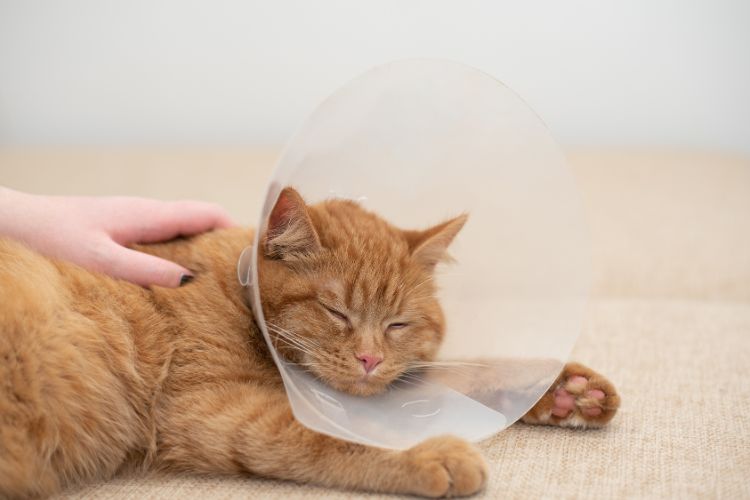
One of the most effective ways to prevent infection is by keeping your pet from licking or scratching at their surgical site. You may need to use an Elizabethan collar (cone) or other protective garments to prevent your pet from disturbing the incision.
Monitor for Signs of Infection
As discussed earlier, watch for signs of infection during the first few weeks of recovery. Regularly check the surgical site and note any changes in your pet’s behavior, eating habits, or energy levels.
Limit Activity
Restrict your pet’s activity, especially in the first few days after surgery. Too much movement can put stress on the surgical site, making it more vulnerable to infection. Keep your pet’s activity level low to allow proper healing.
Schedule Follow-Up Appointments
The veterinarian will likely schedule a follow-up appointment to check on your pet’s recovery. During this visit, the vet will examine the surgical site to ensure it is healing properly. Don’t skip this appointment; it’s essential for catching potential issues early.
When to Seek Veterinary Care for Post-Surgery Infections
If you notice any signs of infection, it’s essential to seek veterinary care immediately. Veterinary clinics are equipped to diagnose and treat any post-surgery complications. If left untreated, an infection can spread, leading to more serious issues like sepsis, organ failure, or delayed healing.
The veterinarian will likely perform a physical examination and may take a sample from the surgical site to test for bacteria. If an infection is diagnosed, your pet may need antibiotics, additional treatment, or even another surgery to clean the area.
Catching an Infection Early With Proactive Intervention
Catching an infection early can prevent it from progressing into a more serious condition. The longer an infection goes untreated, the higher the risk of complications such as abscess formation, systemic infection, or prolonged healing. In some cases, untreated infections can even be life-threatening.
By closely monitoring your pet’s recovery and following the vet’s guidelines, you can help reduce the risk of infection and ensure a quicker recovery. If you notice any concerning signs, don’t wait—contact the veterinarian as soon as possible.
Making Sure Your Pet Recovers Safely After Surgery
Infections after surgery are a serious concern, but with the right care and attention, they can be managed effectively. By keeping a close eye on your pet’s behavior, following post-surgical care instructions, and recognizing the signs of infection early, you can ensure your pet has a smooth and healthy recovery.
If you’re in Denver and need guidance from a vet about recovering after a pet surgery near you, book an appointment with 5280 Veterinary Care. It’s important to ensure their healing is progressing properly. offers comprehensive post-surgery care, including infection monitoring and treatment. If you’re concerned about your pet’s recovery or need to schedule a follow-up, contact us today to book an appointment. Your pet’s health is our priority, and we’re here to help them heal safely and comfortably.
FAQs
1. What are the most common signs of infection after my pet’s surgery?
Common signs of infection include swelling, redness, discharge, fever, loss of appetite, and excessive licking at the incision site. If you notice any of these, contact the vet immediately.
2. How can I prevent my pet from licking the surgery site?
Using an Elizabethan collar or protective garment can help prevent your pet from licking or scratching their incision site, allowing it to heal properly.
3. How soon after surgery should I expect my pet to start eating again?
It’s normal for pets to have a reduced appetite right after surgery. If your pet refuses to eat for 24-48 hours or more, it could indicate a problem, and you should contact the veterinarian.
4. How can I tell if my pet is in pain after surgery?
Signs that your pet may be in pain include whining, reluctance to move, changes in behavior, or a hunched posture. If you notice these signs, contact the vet for pain management options.
5. Is it normal for my pet to be lethargic after surgery?
Some lethargy is normal, especially during the first few days as your pet recovers. However, excessive lethargy could be a sign of infection or other complications.
6. What should I do if I see pus coming from my pet’s incision site?
If you notice pus or foul-smelling discharge, this is a sign of infection. Seek immediate veterinary care to prevent further complications and ensure your pet’s recovery is on track.
Related Articles