

Large and deep-chested dogs can face a dangerous stomach condition called bloat. Many pet owners first hear about gastropexy surgery after learning about gastric dilatation and volvulus, also known as GDV. This procedure helps reduce the chance of the stomach twisting.
In this blog, you will learn how gastropexy surgery works, which dog breeds may benefit from it, common warning signs of bloat, recovery expectations, and when preventive care may be worth discussing with your veterinarian. Understanding the facts can help families make informed choices for their dogs in Denver.
Understanding Gastropexy Surgery
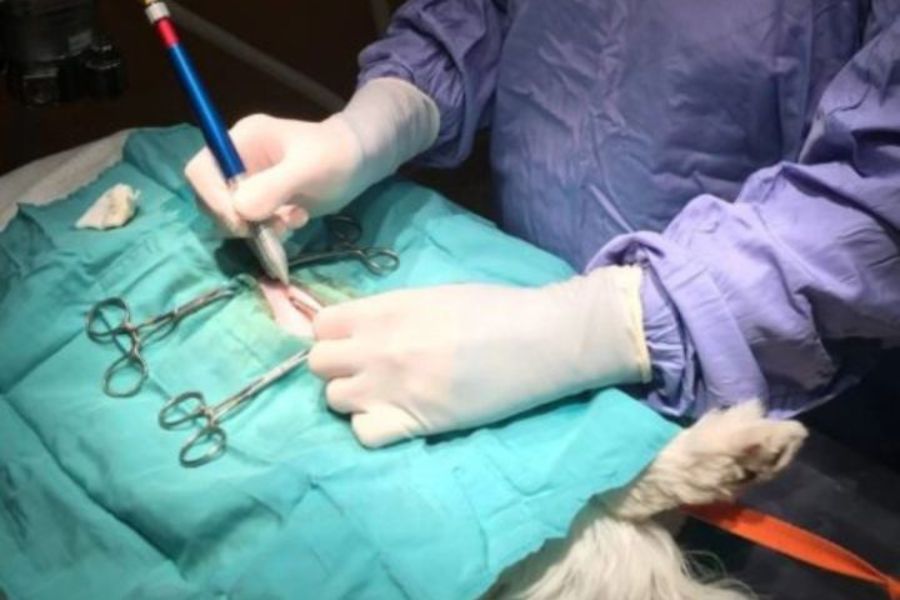
Gastropexy surgery is a preventive procedure that attaches the stomach to the body wall. This attachment helps keep the stomach from twisting during a bloat episode. The surgery does not stop gas buildup completely, though it greatly lowers the risk of the stomach rotating.
Many veterinarians perform gastropexy during a spay or neuter procedure to reduce the need for multiple surgeries. Some clinics use minimally invasive methods with smaller incisions and shorter recovery times.
Bloat can become life-threatening within hours. Dogs with GDV may experience restricted blood flow, shock, and severe pain. Emergency treatment usually requires surgical care and hospitalization. Preventive gastropexy allows owners to lower that risk before a crisis develops.
Which Dog Breeds Are Most at Risk?
1. Deep-Chested Dogs
Dogs with narrow and deep chests face the highest risk of stomach twisting. Great Danes are considered one of the highest risk breeds for GDV. German Shepherds, Standard Poodles, Weimaraners, and Irish Setters also show increased rates of bloat.
2. Giant Breed Dogs
Large breeds often experience stomach stretching after eating large meals or drinking water quickly. Saint Bernards, Newfoundlands, and Doberman Pinschers can develop GDV more often than smaller breeds.
3. Dogs With Family History
A family history of bloat can increase concern for future stomach issues. Dogs with close relatives that experienced GDV may benefit from earlier preventive discussions. Anxiety, rapid eating, and intense exercise after meals may also raise the risk level.
Signs of Bloat Every Owner Should Know
Recognizing the signs of bloat quickly can save a dog’s life. Symptoms often appear suddenly and become severe within a short period.
Common warning signs include:
1. Swollen Abdomen
The stomach area may appear enlarged or tight. Some dogs show visible discomfort when touched around the belly.
2. Unsuccessful Retching
Dogs with GDV often try to vomit without bringing anything up. Repeated retching is one of the most common warning signs.
3. Restlessness and Drooling
Pacing, whining, drooling, and difficulty lying down can signal stomach pain.
4. Rapid Breathing
Heavy panting, pale gums, or collapse may develop as the condition worsens. Immediate emergency care is necessary when these symptoms appear.
Recovery After Gastropexy Surgery
Recovery times depend on the surgical method and the overall health of the dog. Many dogs return home within one or two days after surgery. Restricted activity is usually recommended for several weeks.
Owners should monitor the incision site for redness, swelling, or discharge. Smaller meals and calm activity may support healing during recovery.
Most dogs adjust well after gastropexy surgery. The procedure does not remove every digestive risk, though it can significantly reduce the danger connected to stomach twisting.
When Should Owners Consider Preventive Surgery?
Preventive gastropexy is often recommended for high-risk breeds, especially Great Danes. Some veterinarians discuss the procedure when dogs are young and already scheduled for spay or neuter surgery. Owners should consider factors such as breed, body shape, family history, anxiety levels, and lifestyle habits.
At 5280 Veterinary Care, we help pet owners explore safe and effective options for pet surgical treatments, bloat prevention, and ongoing wellness care tailored to their dog’s specific needs and lifestyle. Schedule an appointment with our team to discuss preventive care options and create a plan that supports your dog’s long-term health and safety.
Conclusion
Gastropexy surgery can provide important protection for dogs that face a higher risk of bloat and stomach twisting. Learning the warning signs of GDV and understanding breed-related risks may help owners respond faster during emergencies. Preventive surgery is not necessary for every dog, though it can offer peace of mind for many families with deep-chested breeds. If you’re located in Denver, reach out to our facility—where compassionate care and community come together for your pet’s well-being.
Frequently Asked Questions(FAQs):
1. Does gastropexy surgery completely prevent bloat?
A: Gastropexy surgery greatly reduces the chance of the stomach twisting. Dogs can still experience gas buildup or mild bloating episodes, though the procedure lowers the risk of a dangerous stomach rotation linked with GDV emergencies.
2. At what age is gastropexy surgery best?
A: Many dogs receive gastropexy during spay or neuter procedures while still young. Veterinarians may also recommend it later for high-risk breeds depending on the dog’s health, age, body structure, and family history.
3. How long does recovery take after gastropexy?
A: Most dogs recover within several weeks after surgery. Activity restrictions, incision monitoring, and follow-up visits are important during healing. Recovery times may vary based on the surgical technique and the dog’s overall condition.
4. Which dog breed has the highest risk of GDV?
A: Great Danes are widely considered one of the highest risk breeds for gastric dilatation and volvulus. Their deep chest structure increases the chance of stomach twisting compared with many smaller or medium-sized breeds.
5. Can smaller dogs develop bloat?
A: Smaller dogs can develop bloat, though the condition is more common in large and deep-chested breeds. Any dog showing signs such as retching, swelling, or collapse should receive immediate medical attention.
6. Is gastropexy considered an emergency surgery?
A: Preventive gastropexy is usually planned ahead of time. Emergency gastropexy may be performed during GDV treatment when the stomach has already twisted and requires immediate surgical correction to save the dog’s life.