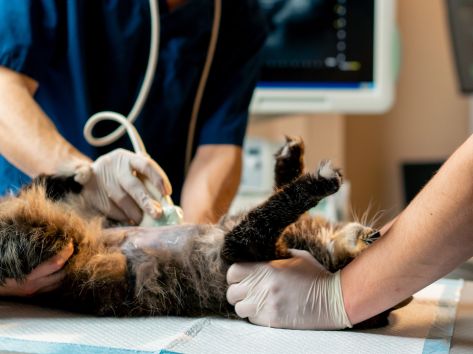
Why Puppy Vaccinations Are Critical for Your Little Pet

Image
Image
Image
By 5280 Veterinary Care | March 16, 2026

Bringing home a new puppy is one of the most exciting moments for any pet parent. Those tiny paws, playful energy, and sweet cuddles quickly make them part of the family. Along with the fun comes an important responsibility, protecting your puppy’s health from the very beginning.

Puppies are born with immature immune systems, which means they are more vulnerable to serious illnesses during their first few months of life. Vaccinations are one of the safest and most effective ways to help your puppy grow into a healthy adult dog. In this blog, we’ll explain why puppy vaccines matter, what shots your puppy needs, and how families in Denver, CO can give their pets the strongest start possible.

What Are Puppy Vaccinations?

Vaccinations are preventive medical treatments that help your puppy’s immune system recognize and fight harmful diseases. A vaccine introduces a safe version of a virus or bacteria, allowing your puppy’s body to build protection without becoming seriously ill. Think of vaccines as your puppy’s early defense system, training their immune system to stay strong against dangerous infections.

Why Puppies Need Vaccines So Early

Many pet parents wonder why puppies need multiple vaccines in their first year. The reason is simple: puppies lose the natural immunity they receive from their mother after a few weeks.

This creates a vulnerable window where they can easily catch illnesses from:

  • Other dogs
  • Parks and sidewalks
  • Boarding facilities
  • Grooming salons
  • Even shared water bowls

Early vaccination is critical because some puppy diseases can spread quickly and become life-threatening.

Core Vaccines Every Puppy Needs

Core vaccines are considered essential for all puppies, no matter their breed or lifestyle. These protect against highly contagious and dangerous diseases.

1. Distemper

Canine distemper is a serious viral disease that affects the respiratory, digestive, and nervous systems. It can cause seizures and is often fatal.

2. Parvovirus

Parvo is one of the most feared puppy illnesses. It spreads through infected feces and can survive in the environment for months. Parvo causes severe vomiting, diarrhea, and dehydration, and can be deadly without immediate care.

3. Adenovirus (Hepatitis)

This virus attacks the liver and can lead to fever, abdominal pain, and long-term complications.

4. Rabies

Rabies is required by law and protects against a fatal disease that can affect both pets and humans. Puppies typically receive this vaccine around 12–16 weeks of age.

Lifestyle (Non-Core) Vaccines That May Be Recommended

Some vaccines depend on your puppy’s lifestyle and exposure risk. A trusted Denver veterinarian may recommend additional protection.

Bordetella (Kennel Cough)

If your puppy will be around other dogs at daycare, parks, or boarding, Bordetella is highly recommended.

Leptospirosis

Lepto is spread through contaminated water or wildlife urine. It can affect the kidneys and liver, and can also spread to humans.

Lyme Disease

For puppies that hike or spend time outdoors in tick-prone areas near Colorado trails, Lyme vaccination may be helpful.

Puppy Vaccination Schedule: What to Expect

Puppy vaccines are given in a series because immunity builds over time.

A typical schedule looks like:

  • 6–8 weeks: Distemper/Parvo (DHPP)
  • 10–12 weeks: DHPP booster + optional vaccines
  • 14–16 weeks: Final DHPP booster + Rabies
  • 12 months: Booster vaccines

Your veterinarian will customize the plan based on your puppy’s needs and Denver lifestyle.

Why Skipping Vaccines Can Be Dangerous

It can be tempting to delay vaccines, especially if your puppy stays indoors. But many deadly viruses are still easily brought into the home through shoes, clothing, or contact with other pets.

Skipping vaccines increases the risk of:

  • Serious illness
  • Emergency hospitalization
  • Expensive treatment
  • Long-term health problems
  • Spread of disease to other animals

Vaccination is always safer, easier, and more affordable than treating preventable diseases.

Protecting Your Puppy and the Denver Pet Community

Vaccinating your puppy isn’t just about protecting your own dog; it also helps protect the community.

When more pets are vaccinated, disease outbreaks become less common. This is especially important in active cities like Denver, where dogs often socialize in:

  • Dog parks
  • Walking trails
  • Pet-friendly neighborhoods
  • Training classes

Vaccines help keep all pets safer.

Vaccines and Puppy Socialization: When Can They Go Out?

Socialization is important, but puppies shouldn’t visit high-traffic dog areas until their vaccine series is complete.

Safe early activities include:

  • Visiting trusted friends’ homes
  • Puppy training classes with vaccine requirements
  • Short walks in low-risk areas

Ask your veterinarian when your puppy is ready for full outdoor adventures.

Puppy and Kitten Care Starts with Prevention

Many families searching for puppy and kitten care want the best start for their new companion. Vaccines are a key part of early preventive care, along with:

  • Wellness exams
  • Parasite prevention
  • Nutrition guidance
  • Behavior support
  • Spay/neuter planning

How Veterinary Care Supports Your Puppy’s Health

Vaccination visits are about more than just shots. They are a chance to build a lifelong relationship with your veterinary team.

During your puppy’s appointment, we can also:

  • Check growth and development
  • Answer the feeding questions
  • Discuss teething and chewing
  • Provide parasite protection
  • Offer training and behaviour tips

If you are in Denver, CO, and searching for a trusted “veterinarian near me”, then the experienced vet team at 5280 Veterinary Care is here to guide you through the vaccination process with care and compassion. Book your appointment online today and give your little companion the healthiest, happiest start in life! 

FAQs 

Q1. Are puppy vaccinations really necessary?

Ans: Yes, vaccines protect puppies from dangerous and sometimes fatal diseases like parvo and distemper.

Q2. How many rounds of shots does my puppy need?

Ans: Most puppies need a series of vaccines every 3–4 weeks until about 16 weeks old, followed by boosters.

Q3. Can my puppy go to the park before finishing vaccines?

Ans: It’s best to avoid dog parks and high-risk areas until your puppy completes their vaccine series.

Q4. Do vaccines have side effects?

Ans: Most puppies have mild side effects like sleepiness or soreness. Serious reactions are rare.

Q5. What happens if my puppy misses a vaccine appointment?

Ans: Your veterinarian may need to adjust the schedule or restart certain boosters to ensure full protection.

Related Articles

Image

Trusted Pet Care & a Friendly Welcome for Every Pet