




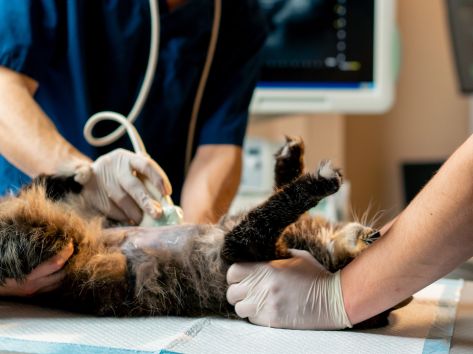
As a responsible pet owner, ensuring that your furry companion lives a long, happy, and healthy life is one of your top priorities. While we all love our pets dearly, we sometimes overlook the subtle signs that could indicate underlying health problems. Pets, especially as they age, can develop various health conditions that may go unnoticed until they reach a more severe stage. This is why regular pet diagnostic care is crucial—it allows veterinarians to detect issues early and provide timely treatment, ensuring your pet enjoys a better quality of life for years to come.
In this blog, we’ll explore why regular diagnostic care is key to your pet’s long-term health, how it aids in early detection of diseases, and how it contributes to better treatment outcomes. This blog is particularly for pet owners in Denver, CO, who are looking for ways to ensure their pets remain healthy throughout their lives.
What is Pet Diagnostic Care?
Pet diagnostic care involves various tests and examinations conducted by veterinarians to assess the overall health of your pet. These tests include blood work, urine analysis, X-rays, ultrasounds, fecal exams, and other diagnostic tools that help detect health issues early. Veterinary professionals use diagnostic care to identify illnesses before they become severe and provide treatment options that can make a significant difference in your pet’s health.
Much like human health care, diagnostic care plays an essential role in ensuring that your pet’s health is continuously monitored and any potential issues are caught before they become problematic.
1. Early Detection Leads to Better Treatment
One of the most critical reasons for regular diagnostic care is the ability to detect health issues early. Pets are excellent at hiding pain or discomfort, which can make it difficult for pet owners to recognize when something is wrong. Conditions such as heart disease, kidney failure, diabetes, or even cancer may be silently progressing in your pet’s body without clear symptoms.
How Early Detection Helps: The earlier a disease or condition is detected, the sooner treatment can begin, and the better the chances are for a positive outcome. For example, diagnosing kidney disease early can allow your vet to provide treatments that help manage the condition and improve your pet’s quality of life. Similarly, early diagnosis of cancer allows for various treatment options, such as surgery, chemotherapy, or radiation, that can extend your pet’s life.
2. Preventive Care: A Key Element of Diagnostic Care
Regular veterinary check-ups, including diagnostic tests, are essential for preventive care. These exams allow your veterinarian to stay on top of your pet’s health, providing vaccines, parasite preventatives, and screenings for common diseases that may affect pets. Preventive care is much more than simply treating a condition—it’s about taking proactive steps to protect your pet’s well-being.
How Preventive Care Helps: Vaccines protect against serious diseases like rabies, parvovirus, and distemper, while regular parasite control ensures that your pet is free from ticks, fleas, and heartworms, which can lead to severe health problems. Additionally, routine diagnostic tests, such as fecal exams, can help identify parasites in your pet’s digestive system, preventing further complications and discomfort. By addressing potential issues before they become serious, preventive care contributes to your pet’s long-term health.
3. Maintaining Overall Health with Regular Testing
Just like humans, pets are susceptible to a variety of conditions as they age. Regular diagnostic care can help veterinarians monitor their health, adjusting treatments and interventions as needed. Senior pets, in particular, require more frequent check-ups and diagnostic tests to manage the changes that come with aging.
How Regular Testing Helps: Senior pets may develop conditions such as arthritis, dental disease, and cognitive dysfunction, which are more easily managed if detected early. Regular diagnostic care provides the opportunity to monitor your pet’s health over time, ensuring that aging pets remain comfortable and happy. Additionally, blood tests can help track liver, kidney, and thyroid function, ensuring that any changes are addressed promptly to prevent more severe health complications.
4. Dental Health and Its Impact on Overall Health
Dental health is an area of diagnostic care that is often overlooked, yet it plays a significant role in your pet’s overall well-being. Pets can develop dental disease, which can lead to pain, tooth loss, and even serious health issues such as heart disease or kidney problems. Regular dental exams and cleanings are critical to keeping your pet’s mouth healthy.
How Dental Care Helps: During a wellness exam, your veterinarian will assess your pet’s dental health, looking for signs of plaque buildup, gum disease, and oral infections. Routine cleanings and early treatment can prevent bacteria from entering your pet’s bloodstream, which can lead to heart, liver, or kidney infections. Maintaining good dental health helps ensure that your pet remains pain-free and comfortable while also reducing the risk of systemic diseases caused by untreated oral infections.
5. Imaging and Diagnostic Tools for Accurate Diagnosis
Sometimes, a physical exam alone isn’t enough to uncover underlying health issues in your pet. Imaging tools like X-rays and ultrasounds are invaluable in providing a closer look at your pet’s internal organs and structures. These diagnostic tools allow your vet to assess issues that may not be visible externally, such as tumors, fractures, or internal bleeding.
How Imaging Helps: For example, X-rays can help detect bone fractures, signs of arthritis, or even tumors in the lungs. Ultrasound imaging is particularly useful for evaluating soft tissues such as the heart, kidneys, and liver. If your pet is showing signs of discomfort, lethargy, or trouble breathing, imaging tests can help identify the cause, enabling your vet to develop an appropriate treatment plan. These diagnostic tools ensure accurate and timely diagnoses, which is essential for effective treatment.
6. Chronic Condition Management and Specialized Care
As your pet ages, they may develop chronic conditions that require ongoing management. Conditions like diabetes, arthritis, and heart disease need continuous care to ensure your pet remains comfortable and healthy. With regular diagnostic care, veterinarians can monitor these chronic conditions and adjust medications or treatment plans to meet your pet’s evolving needs.
How Specialized Care Helps: For pets with chronic conditions, diagnostic tests provide valuable insights into the progression of the disease and the effectiveness of current treatments. If your pet has arthritis, regular check-ups and diagnostic tests can help assess their joint health and pain levels. If your pet has heart disease, regular blood pressure checks, heart rate monitoring, and imaging can help manage the condition and improve their quality of life.
Localizing Pet Diagnostic Care in Denver, CO
For pet owners in Denver, CO, it’s essential to choose a veterinary practice that provides comprehensive pet diagnostic care. At 5280 Veterinary Care, our team of experienced professionals offers a full range of diagnostic tests and tools to ensure that your pet’s health is regularly monitored. Whether your pet is due for a routine wellness exam, needs help managing a chronic condition, or requires diagnostic testing for an unknown issue, our veterinary team is here to help.
Regular diagnostic care is essential for identifying health issues early, ensuring that your pet receives timely treatment, and preventing more severe conditions from developing. From preventive care and dental health to chronic condition management and advanced diagnostic imaging, these services contribute significantly to your pet’s long-term health and happiness.
If you’re in Denver and need expert pet diagnostic care, schedule an appointment with 5280 Veterinary Care. Our veterinary team is dedicated to providing the best diagnostic services to help your pet live a longer, healthier life.
FAQs
Q1. How often should my pet undergo diagnostic testing?
Ans. It is recommended that pets receive diagnostic testing as part of their annual wellness exams. Older pets or those with health concerns may need more frequent testing.
Q2. What are the benefits of early detection in pets?
Ans. Early detection helps identify health problems before they become serious, allowing for more effective treatment and a better quality of life for your pet.
Q3. What types of diagnostic tests do veterinarians use?
Ans. Veterinarians use various diagnostic tools, including blood tests, urinalysis, X-rays, ultrasounds, and fecal exams, to assess your pet’s health.
Q4. Can regular diagnostic care help prevent health problems in pets?
Ans. Yes, regular diagnostic care allows for early detection of diseases and conditions that can be managed or prevented with timely intervention.
Q5. How does pet diagnostic care help manage chronic conditions?
Ans. Regular diagnostic tests help track the progression of chronic conditions, such as arthritis or diabetes, allowing for adjustments in treatment to keep your pet comfortable and healthy.
Q6. Is diagnostic care expensive for pets?
Ans. The cost of diagnostic care can vary, but regular testing and early detection often result in lower overall costs by preventing more expensive treatments for advanced conditions.
Related Articles