

Find Answers Faster When Your Dog Needs Them Most
When your dog is not feeling well, getting clear answers quickly can make all the difference. Early and accurate testing helps uncover what is happening beneath the surface so your pet can get the right care without delays. At 5280 Veterinary Care, our reliable dog diagnostic care in Denver is designed to identify health concerns and guide you with confidence on the next steps.
Dogs cannot explain how they feel, which makes careful evaluation and testing an essential part of their care. Dog diagnostic testing helps detect problems that may not be visible during a physical exam. From mild symptoms to ongoing concerns, having access to the right tools allows a veterinarian to understand your dog’s condition and recommend the most effective plan.
Understanding What Your Dog’s Body Is Telling Us
Changes in behavior, appetite, or energy often signal that something is not right. Diagnostic care for dogs focuses on uncovering the cause of these changes rather than only treating symptoms. Testing provides valuable insights into organ function, infections, and internal health conditions that might otherwise go unnoticed.
Timely testing also helps prevent minor concerns from becoming serious issues. Regular monitoring and early detection allow your dog to receive care sooner, which often leads to better outcomes. Building a clear picture of your dog’s health helps guide decisions that protect their long-term well-being.
Advanced Tools That Help Detect Health Issues
Modern veterinary diagnostics for dogs rely on a combination of technology and careful analysis. Each test provides important information that helps piece together your dog’s overall health condition. Using the right diagnostic tools ensures accurate results and helps avoid unnecessary treatments.
Key benefits of diagnostic services include:
- Early detection: Identifies health concerns before symptoms become severe or difficult to manage.
- Targeted care: Helps determine the most effective treatment based on accurate findings.
- Ongoing monitoring: Tracks progress and evaluates your dog's response to care.
- Peace of mind: Provides clear answers so you can make informed decisions about your pet’s health.
Combining multiple testing methods gives a complete view of your dog’s condition and helps guide every step of care.
In-House Lab Testing for Faster Results
Having access to an in-house lab allows results to be processed quickly, reducing wait times and helping start care sooner. Dog lab work is a vital part of identifying internal health issues and understanding how your dog’s body is functioning.
Common lab tests include:
- Complete Blood Count (CBC): Evaluates red and white blood cells to detect infections, anemia, and immune system changes.
- Blood chemistry panels: Measures organ function, including liver and kidney health, to identify abnormalities.
- Electrolyte testing: Checks fluid balance and helps detect dehydration or metabolic imbalances.
- Thyroid testing: Assesses hormone levels to identify conditions affecting metabolism and energy.
- Urinalysis: Examines urine for signs of infection, kidney issues, or other internal concerns.
Quick access to these results allows the veterinarian to make timely decisions and begin treatment without unnecessary delays.
Clear Imaging for a Better Look Inside
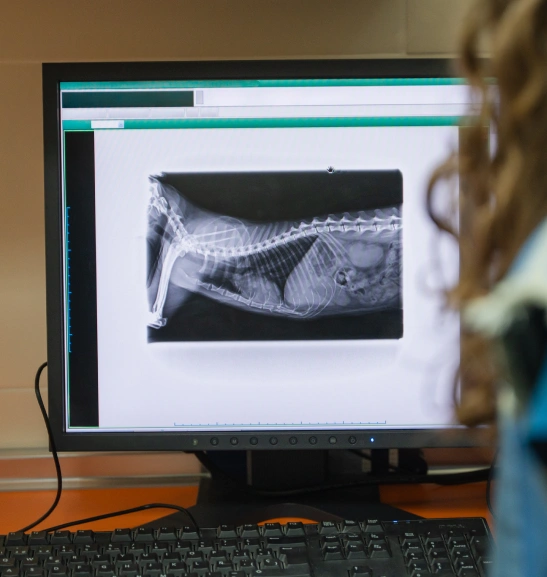
Imaging plays an important role in identifying conditions that cannot be detected through exams or lab tests alone. A dog x-ray provides a detailed look at bones, joints, and internal organs, helping detect injuries, blockages, or structural concerns.
Digital imaging offers several advantages:
- Sharp image quality: Produces clear visuals that help identify even small abnormalities.
- Quick process: Reduces the time your dog needs to remain still during the procedure.
- Lower exposure: Uses advanced technology to minimize radiation levels.
- Immediate review: Allows the vet to examine images right away and discuss findings with you.
Imaging helps confirm diagnoses and ensures your dog receives the right care without unnecessary guesswork.

Allergy and Skin Testing for Lasting Relief
Skin issues and allergies can cause ongoing discomfort for dogs if left untreated. Identifying the source of irritation is the first step toward providing relief. Allergy and dermatology testing helps determine what is triggering your dog’s symptoms so a targeted plan can be created.
Common signs that may require testing include itching, redness, hair loss, or recurring skin infections. Testing helps identify environmental or food-related triggers and guides treatment options that reduce discomfort and prevent future flare-ups.
Addressing skin concerns early improves your dog’s comfort and helps maintain a healthy skin and coat over time.
When Should You Consider Diagnostic Testing
Knowing when to seek testing can help prevent conditions from worsening. Dogs often show subtle signs when something is wrong, which makes early attention important. Recognizing these changes allows you to take action before problems become more serious.
Situations where testing may be recommended include:
- Behavior changes: Unusual aggression, withdrawal, or lack of interest in normal activities.
- Appetite shifts: Sudden increase or decrease in eating or drinking habits.
- Digestive issues: Vomiting, diarrhea, or changes in stool consistency.
- Energy levels: Noticeable fatigue or reduced activity compared to normal behavior.
Prompt testing helps identify the cause of these changes and allows for quicker care.
Helping Your Dog Stay Healthy Long Term
Diagnostic testing is not only useful when your dog is sick. It also plays an important role in maintaining long-term health. Routine testing can detect early changes before symptoms appear, enabling preventive care that helps keep your dog feeling their best.
Regular monitoring helps track your dog’s health over time and ensures any changes are addressed quickly. Building a consistent care routine that includes testing when needed supports a healthier and more active life for your pet.
Finding answers quickly can make a lasting difference in your dog’s health and comfort. Dog diagnostic testing helps uncover the root of health concerns and guides the right care at the right time. Contact 5280 Veterinary Care for trusted dog diagnostic care in Denver and take the next step toward understanding your pet’s health needs. Our team ensures every step is focused on helping your dog feel better and stay healthy with accurate, timely testing.
Frequently Asked Questions