



Living with allergies does not mean giving up the idea of owning a cat. Some breeds produce fewer allergens, making them a better fit for sensitive households. This blog explains what makes a cat hypoallergenic, highlights popular breeds, and shares practical tips to reduce allergic reactions at home.
You will also find guidance on grooming, home cleaning, and lifestyle adjustments that make cat ownership more comfortable. Families in urban environments, including Denver, often look for adaptable pets that suit apartment living and busy routines. Many of these cats also fall under the category of indoor cat breeds, which makes them easier to manage in controlled spaces.
What Does “Hypoallergenic” Really Mean?
No cat is completely free of allergens. The main trigger is a protein called Fel d 1, found in saliva, skin, and dander. Some breeds naturally produce less of this protein. Others shed less, which limits how allergens spread in your home.
Hypoallergenic cats reduce exposure rather than eliminate it. This difference matters when setting expectations. A family with mild allergies may feel comfortable, while severe allergies may still require extra precautions.
Popular Hypoallergenic Cat Breeds
1. Siberian
The Siberian cat surprises many allergy sufferers. Despite its thick coat, it produces lower levels of allergens. These cats are affectionate and enjoy interactive play. Their calm temperament fits well with families and children.
2. Balinese
Often called the “long-haired Siamese,” the Balinese cat produces less Fel d 1 protein. It has a silky coat that does not mat easily. This breed enjoys attention and communicates with soft vocal sounds.
3. Bengal
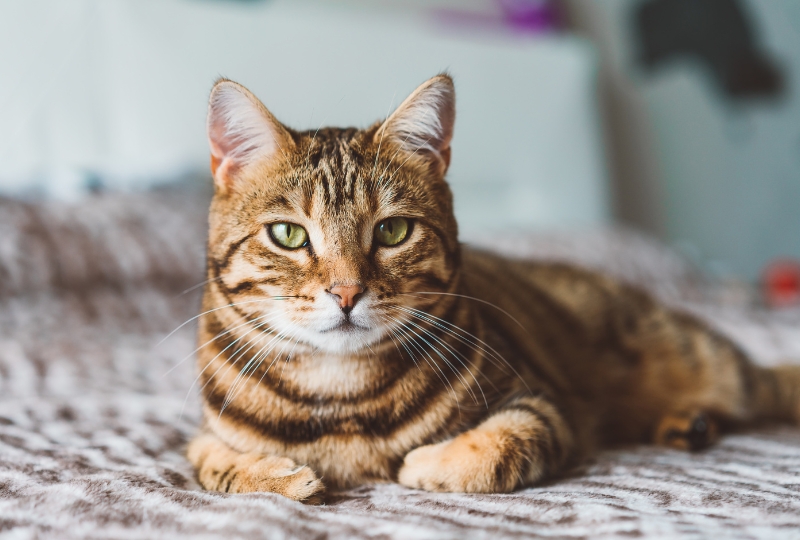
Bengal cats have a short, fine coat that requires less grooming. They shed less, which helps reduce allergen spread. Their energetic personality suits active households that enjoy playtime and enrichment activities.
4. Russian Blue
Russian Blue cats are known for their plush coat and gentle nature. They produce fewer allergens and are often recommended for allergy-prone families. These cats prefer a predictable routine and a quiet home environment.
5. Devon Rex
The Devon Rex has a unique curly coat with minimal shedding. Less fur means fewer allergens floating around. These cats are playful and curious, often following their owners from room to room.
6. Cornish Rex
The Cornish Rex shares similarities with the Devon Rex but has even shorter fur. Its soft, wavy coat reduces dander spread. This breed enjoys warmth and often seeks cozy spots around the house.
Choosing the Right Kitten for Your Family
Selecting a hypoallergenic kitten involves more than picking a breed. Each cat has its own personality and allergen levels. Spending time with a kitten before adoption helps you understand how your body reacts.
Consider your living space. Apartments and smaller homes benefit from cats that adapt well to indoor environments. Families searching for indoor cat breeds often prefer those with calm temperaments and moderate activity levels.
Age also plays a role. Kittens may produce fewer allergens than adult cats. Grooming habits and diet can influence allergen production over time.
Practical Tips to Reduce Allergies at Home
1. Maintain a Clean Environment
Frequent cleaning reduces allergen buildup. Vacuum carpets, rugs, and furniture regularly using a vacuum with a HEPA filter. Wash bedding and curtains often. Hard flooring surfaces are easier to maintain compared to carpets.
2. Create Cat-Free Zones
Designate certain areas of your home as pet-free. Bedrooms are a good choice, as they allow allergy sufferers to rest without exposure. This separation helps manage symptoms effectively.
3. Regular Grooming
Brushing your cat removes loose fur and dander. Some families prefer professional grooming services to handle this task. Bathing your cat occasionally can also reduce allergen levels, though it should be done carefully.
4. Use Air Purifiers
Air purifiers with HEPA filters capture airborne allergens. Placing them in common areas improves air quality. This step makes a noticeable difference in smaller living spaces.
5. Wash Hands Frequently
Simple habits matter. Washing your hands after petting your cat reduces the transfer of allergens to your face and eyes. This practice is especially important for children.
Common Myths About Hypoallergenic Cats
Many people believe that short-haired cats are always better for allergies. This is not always true. Allergen production depends on the protein levels, not just coat length.
Another misconception is that frequent bathing completely removes allergens. Bathing helps, though it does not eliminate the protein.
Some assume that certain breeds are completely safe for severe allergies. Individual reactions vary, so personal experience remains the best guide.
Lifestyle Adjustments for Allergy-Prone Families
Adopting a hypoallergenic cat requires small lifestyle changes. Consistency in cleaning routines helps maintain a comfortable environment. Choosing furniture with washable covers makes upkeep easier.
Diet also plays a role in your cat’s health. A balanced diet supports skin and coat condition, which can influence allergen production. Regular check-ups ensure your cat remains healthy and comfortable.
If you’re located in Denver and looking for trusted veterinary care near you, then schedule an appointment with 5280 Veterinary Care to learn more about managing pet allergies and maintaining your cat’s overall health. You can also explore their homepage to understand the full range of services available for your pet’s needs.
Conclusion
Hypoallergenic kittens offer a practical option for families dealing with allergies. Careful breed selection, consistent cleaning, and thoughtful lifestyle adjustments create a comfortable environment for both pets and people.
Many of these cats also align with indoor cat breeds, making them suitable for modern living spaces. Understanding your needs and your pet’s behavior ensures a positive experience. We are conveniently located in Denver, CO. Reach out to our facility at 3100 Gilpin St, Denver, CO 80205 – where compassionate care and community come together for your pet’s well-being.
Frequently Asked Questions(FAQs):
1. Are hypoallergenic cats completely allergy-free?
A: No cat is entirely allergy-free. Hypoallergenic breeds produce fewer allergens, which may reduce symptoms. Individual reactions vary based on sensitivity levels and environmental factors within the home.
2. Which hypoallergenic breed is best for families with children?
A: Breeds like Siberian and Devon Rex are known for their friendly nature. They adapt well to family life and enjoy interaction, making them suitable for homes with children.
3. How can I test if I am allergic to a specific cat?
A: Spend time with the cat before adoption. Visit breeders or shelters and observe your reaction over a few hours. This helps you make an informed decision.
4. Do air purifiers really help with cat allergies?
A: Air purifiers with HEPA filters can capture airborne allergens. They improve indoor air quality and reduce symptoms when used consistently in living spaces.
5. Is grooming necessary for hypoallergenic cats?
A: Yes, regular grooming helps remove loose fur and dander. It reduces allergen spread and keeps your cat’s coat healthy. Professional grooming can also be beneficial.
6. Can diet affect a cat’s allergen levels?
A: A balanced diet supports healthy skin and coat. This may influence how much dander your cat produces, which can indirectly affect allergen levels in your home.