


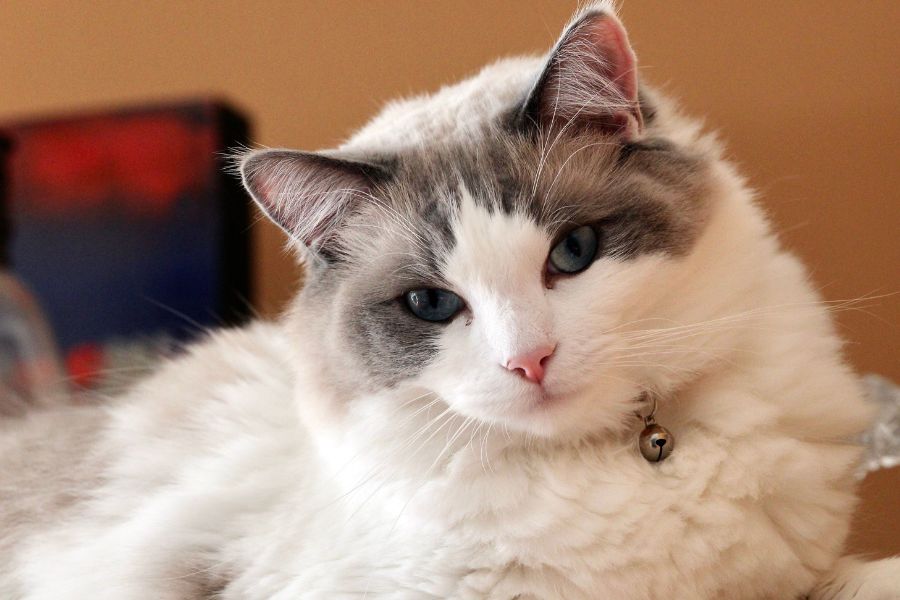
If you share your home with a Ragamuffin, you already know how special they are. Their soft coat, gentle personality, and love for people make them unforgettable companions. But here’s a question many owners ask: Are you feeding your Ragamuffin the right way?
Diet plays a major role in your cat’s long-term health. A balanced and thoughtful approach to nutrition can support everything from coat quality to weight management. Let’s walk through what your Ragamuffin truly needs—and how you can provide it without guesswork.
Understanding the Nutritional Needs of a Ragamuffin
Ragamuffin cats are known for their large size and relaxed nature. While that calm personality is part of their charm, it also means they can be prone to weight gain if their diet isn’t managed carefully.
A proper Ragamuffin diet focuses on three core elements:
- High-quality protein to maintain muscle mass
- Healthy fats for energy and coat health
- Controlled carbohydrates to prevent excess weight gain
Unlike some more active breeds, a Ragamuffin doesn’t burn calories quickly. This means portion control and food quality matter more than quantity.
What Should You Feed a Ragamuffin?
1. High-Protein Animal-Based Diet
Cats are obligate carnivores. Your Ragamuffin needs real meat as the primary ingredient in their food.
Look for options that include:
- Chicken
- Turkey
- Salmon
- Beef
Protein supports muscle strength and keeps your cat feeling satisfied after meals.
Quick tip: Check the ingredient list. The first ingredient should always be a named animal protein.
2. Wet Food vs. Dry Food: Which Is Better?
You might wonder if wet or dry food is the better choice. The truth is, both can work—but balance is key.
Wet food benefits:
- Higher moisture content (helps hydration)
- Easier to digest
- Often more appealing to picky eaters
Dry food benefits:
- Convenient and cost-effective
- Supports dental health
- Easy to store
For most Ragamuffin cats, a combination diet works best. Wet food can provide hydration, while dry food adds convenience.
3. Healthy Fats for Coat and Skin
That plush Ragamuffin coat doesn’t maintain itself. Healthy fats are essential for keeping their fur soft and shiny.
Look for:
- Omega-3 fatty acids (fish oil)
- Omega-6 fatty acids
These nutrients also support brain function and overall wellness.
4. Essential Vitamins and Minerals
A complete and balanced cat food should include:
- Taurine (critical for heart and eye health)
- Calcium and phosphorus (for bones)
- Vitamin A and E (for immune support)
Avoid feeding a homemade diet unless it’s guided by a veterinary professional. Missing even one nutrient can lead to long-term health issues.
How Much Should You Feed a Ragamuffin?
This depends on age, weight, and activity level.
Kittens
- Require more frequent meals (3–4 times daily)
- Need higher calories for growth
Adult Ragamuffin
- Typically, 2 meals per day
- Portion size based on weight and energy level
Senior Cats
- May need fewer calories
- Benefit from easily digestible foods
Ask yourself: Is your Ragamuffin gaining weight? If yes, it may be time to adjust portions or switch to a weight-control formula.
Foods to Avoid for Ragamuffin Cats
Not everything that seems harmless is safe for your cat.
Avoid:
- Chocolate
- Onions and garlic
- Grapes and raisins
- Alcohol
- Excess dairy
Even small amounts can cause serious health problems.
Also, avoid feeding too many treats. Treats should make up no more than 10% of your cat’s daily calories.
Common Dietary Issues in Ragamuffin Cats
1. Obesity
Ragamuffin cats love to lounge. Without proper portion control, weight gain can happen quickly.
Signs to watch:
- Reduced activity
- Difficulty grooming
- Visible fat around the abdomen
2. Digestive Sensitivity
Some Ragamuffin cats may have sensitive stomachs.
You might notice:
- Vomiting
- Loose stools
- Loss of appetite
Switching to a limited-ingredient or sensitive stomach formula can help.
3. Food Allergies
Though not extremely common, food allergies can occur.
Common triggers:
- Chicken
- Dairy
- Grains
Symptoms may include itching, skin irritation, or digestive upset.
Should You Consider a Homemade Diet?
It’s tempting to prepare fresh meals for your Ragamuffin, but this approach requires careful planning.
A homemade diet must include:
- Balanced nutrients
- Proper supplementation
- Veterinary guidance
Without this, your cat may develop deficiencies over time.
If you’re considering this route, consult a professional first. It’s the safest way to ensure your Ragamuffin gets complete nutrition.
Hydration: An Often Overlooked Factor
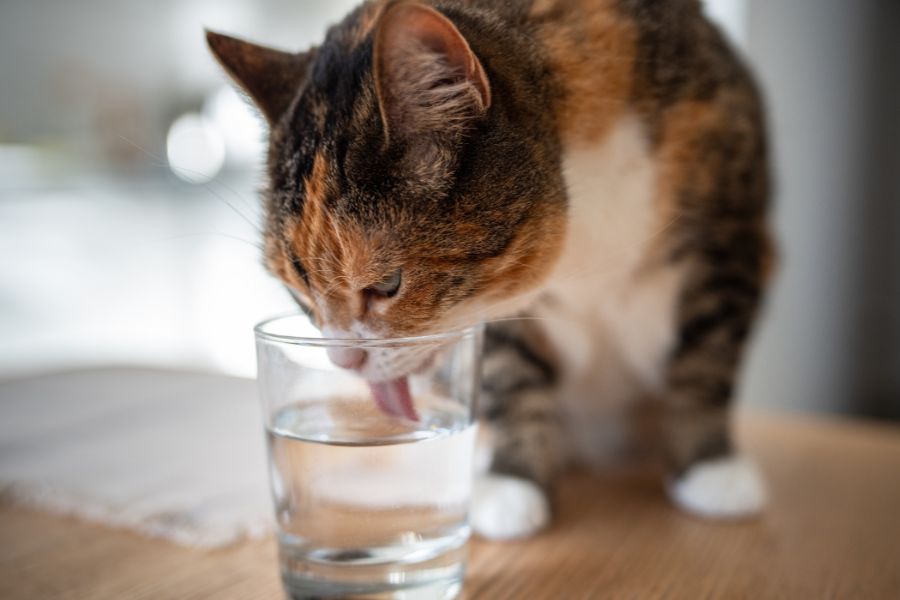
Many cat owners focus only on food. Water intake is just as important.
Ragamuffin cats may not drink enough water naturally. You can encourage hydration by:
- Providing fresh water daily
- Using a cat water fountain
- Including wet food in their diet
Proper hydration supports kidney health and digestion.
Feeding Tips for a Healthy Ragamuffin
Here are simple ways to improve your cat’s daily routine:
- Stick to a consistent feeding schedule
- Measure portions instead of free-feeding
- Introduce new foods gradually
- Monitor weight regularly
- Choose high-quality, vet-recommended brands
Small changes can make a big difference over time.
How to Choose the Best Food for Your Ragamuffin
When selecting cat food, look beyond marketing labels.
Focus on:
- Real meat as the first ingredient
- No unnecessary fillers
- Balanced nutritional profile
- AAFCO approval (for complete nutrition)
Reading labels may take a few extra minutes, but it helps you make better choices for your cat.
When Should You Talk to a Vet?
Diet isn’t one-size-fits-all. You should consult a veterinarian if your Ragamuffin:
- Gains or loses weight unexpectedly
- Shows signs of food intolerance
- Has a chronic health condition
- Needs a specialized diet
Professional guidance ensures your cat’s diet matches their unique needs. If you’re unsure where to start, you can always visit our website for general pet care guidance and helpful resources.
Final Thoughts: Building a Healthy Future for Your Ragamuffin
Feeding your Ragamuffin isn’t just about filling a bowl. It’s about making choices that support a long, comfortable life. From selecting quality ingredients to managing portions, every decision adds up.
Take a moment to evaluate your current feeding routine. Does it meet your cat’s needs? If not, small adjustments can lead to meaningful improvements.
Your Ragamuffin depends on you for the right nutrition. With the right approach, you can help them stay healthy, active, and happy for years to come.
Want to take the next step? Start by reviewing your cat’s current diet today and make one positive change.
FAQs About Ragamuffin Cat Diet and Nutrition
1. What is the best food for a Ragamuffin cat?
A: High-quality, protein-rich cat food with real meat as the main ingredient is best. A mix of wet and dry food often works well.
2. How often should I feed my Ragamuffin?
A: Adult Ragamuffin cats typically do well with two meals per day. Kittens need more frequent feeding.
3. Can Ragamuffin cats eat human food?
A: Some human foods are safe in small amounts, but many are harmful. It’s safest to stick with cat-specific diets.
4. Are Ragamuffin cats prone to obesity?
A: Yes, due to their calm nature. Portion control and regular activity are important.
5. Do Ragamuffin cats need special diets?
A: Not always, but they may benefit from diets tailored to weight control or sensitive digestion.
6. Is wet food necessary for Ragamuffin cats?
A: Wet food is not mandatory, but it helps with hydration and can improve overall health.