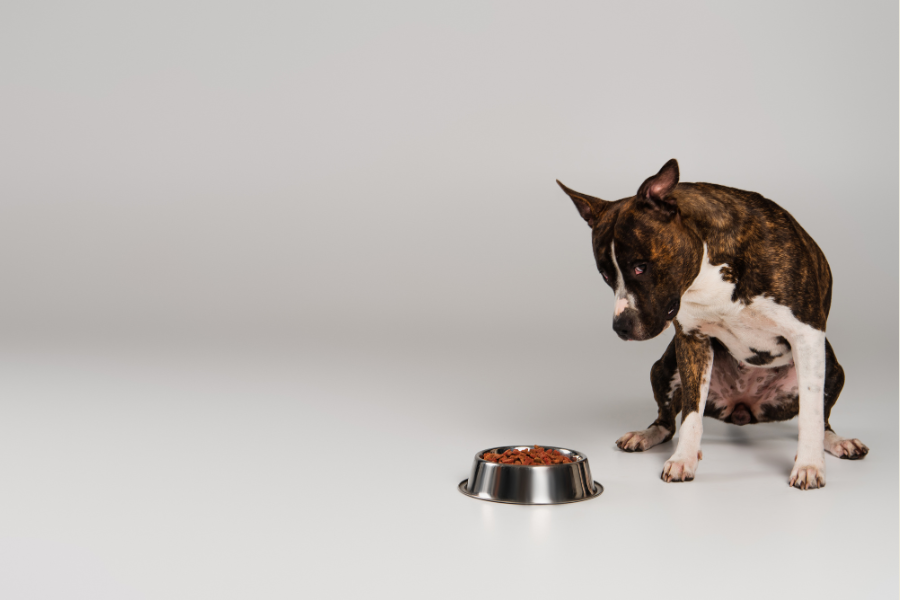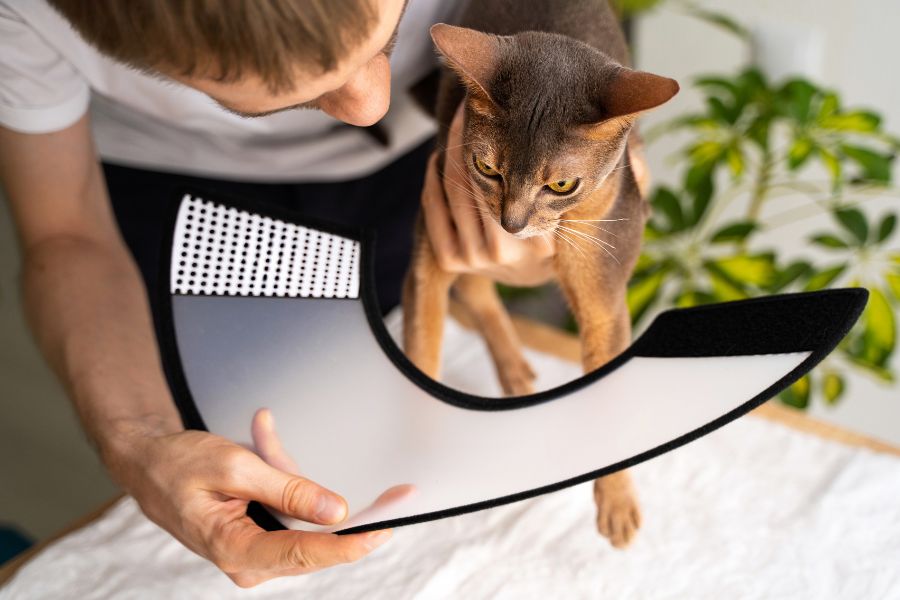




The Fourth of July is filled with celebrations, family gatherings, and dazzling fireworks. While people often enjoy the sights and sounds, many pets experience the holiday in a very different way. Loud explosions, flashing lights, unfamiliar visitors, and changes in routine can overwhelm a pet’s nervous system, leading to fear, anxiety, and unexpected behavior.
Learning why fireworks trigger these reactions, recognizing the warning signs, and preparing your home can make a significant difference in your pet’s comfort and safety. This guide explains how fireworks affect your pet’s nervous system, what you can do before, during, and after the celebration, and when professional help may be needed. Families in Denver can also benefit from planning early to help pets enjoy a calmer Independence Day.
Why Do Fireworks Scare Pets?
Dogs and cats experience the world through incredibly sensitive hearing. Fireworks create sudden, unpredictable sounds that arrive without warning. Your pet cannot understand that the noise is part of a celebration, so the brain interprets it as a possible danger.
The nervous system immediately activates a natural survival response. Stress hormones rise, heart rate increases, muscles tighten, and breathing becomes faster. These reactions prepare the body to escape from what it believes is a threat.
Unlike people, pets cannot predict when the next explosion will happen. Each loud boom may restart the same fear response throughout the evening.
How Fireworks Affect Your Pet’s Nervous System
- The Fight-or-Flight Response
Fireworks activate your pet’s fight-or-flight response almost instantly. The brain signals the body to react before your pet has time to assess the situation.
This response may cause your pet to:
- Shake or tremble
- Hide under furniture
- Pace around the house
- Bark or meow excessively
- Attempt to escape
- Refuse food or water
Repeated exposure to loud fireworks can leave pets exhausted because their bodies remain in a heightened state of alert for several hours.
- Increased Stress Hormones
Fear triggers the release of hormones that help the body respond to danger. While these hormones are useful during real emergencies, fireworks create unnecessary stress.
High stress levels may result in:
- Rapid heartbeat
- Heavy panting
- Dilated pupils
- Increased drooling
- Digestive upset
- Trouble sleeping
Some pets continue showing signs of anxiety long after the fireworks have ended.
- Sensory Overload
The combination of loud sounds, bright flashes, unfamiliar smells, and increased neighborhood activity can overwhelm your pet’s senses.
Older pets, young puppies, kittens, and animals with previous anxiety often struggle even more because their nervous systems have less ability to adapt to these intense experiences.
Common Signs Your Pet Is Stressed
Recognizing early signs of fear allows you to respond before anxiety becomes severe.
Watch for behaviors such as:
- Constant trembling
- Hiding in unusual places
- Whining or crying
- Clinginess
- Destructive chewing
- Scratching at doors
- Attempting to jump fences
- Accidents inside the house
- Loss of appetite
- Excessive grooming
Every pet reacts differently. Some become unusually quiet while others become restless and vocal.
How to Help Your Pet Stay Calm During Fireworks
- Create a Safe Space
Prepare a quiet room before the fireworks begin. Close curtains, lower blinds, and reduce outside noise with calming music or white noise.
Include familiar bedding, favorite toys, fresh water, and treats so your pet feels secure.
- Keep Pets Indoors
Even confident pets can panic when fireworks begin. Keep dogs and cats inside well before sunset. Check that doors, windows, and gates remain securely closed.
- Maintain a Normal Routine
Feed meals, take walks, and schedule playtime at the usual times whenever possible. Familiar routines help reduce stress during unusual events.
- Offer Gentle Comfort
Stay calm and speak softly if your pet seeks reassurance. Allow your pet to choose whether to stay close or rest in a quiet area.
Never punish fearful behavior. Fear is an emotional response, not disobedience.
- Update Identification
Anxious pets sometimes escape despite careful preparation. Make sure identification tags and microchip information are current before the holiday.
When Should You Seek Professional Help?
Some pets experience intense fear every Fourth of July. If your pet injures itself while trying to escape, refuses food for an extended period, shows ongoing panic, or struggles to recover after the holiday, professional guidance is important.
A personalized care plan may include behavior strategies, calming products, or other supportive options based on your pet’s individual needs.
If your pet shows severe anxiety before every holiday celebration, call us at 720-789-7000 to discuss effective solutions that can help future celebrations become less stressful.
Conclusion
Fireworks are a cherished Fourth of July tradition for many families, yet they can place enormous stress on a pet’s nervous system. Understanding how loud noises affect your dog’s or cat’s body allows you to prepare ahead, reduce anxiety, and create a safer environment throughout the celebration. Small steps taken before the first fireworks begin often make the biggest difference. If you’re located in Denver, consider reaching out to 5280 Veterinary Care, where compassionate care and a strong sense of community come together to support your pet’s health, comfort, and overall well-being.
Frequently Asked Questions(FAQs):
1. Why are fireworks louder for pets than for people?
A: Dogs and cats have much more sensitive hearing than humans. Fireworks produce sudden high-intensity sounds that can overwhelm their nervous system, making even distant displays seem frightening and unpredictable.
2. Can fireworks cause long-term anxiety in pets?
A: Yes. Some pets develop lasting fear after repeated exposure to loud fireworks. Early preparation, positive experiences, and professional guidance can reduce the risk of ongoing noise-related anxiety.
3. Should I walk my dog during Fourth of July fireworks?
A: Walk your dog well before fireworks begin. Evening walks during active fireworks increase the risk of panic, escape, and injury. Keep outdoor trips short until celebrations have completely ended.
4. Can cats become stressed by fireworks even if they stay indoors?
A: Yes. Indoor cats can still hear loud explosions and see bright flashes through windows. Creating a quiet hiding space helps many cats feel safer during holiday celebrations.
5. Are calming products helpful for fireworks anxiety?
A: Many calming products may benefit some pets when used correctly. The best option depends on your pet’s personality, anxiety level, and overall health. Professional guidance helps determine the most appropriate choice.
6. What should I do if my pet runs away because of fireworks?
A: Search nearby areas immediately, notify local shelters, contact animal control, update your pet’s microchip registry, and share recent photos with neighbors. Current identification greatly improves the chances of a safe reunion.