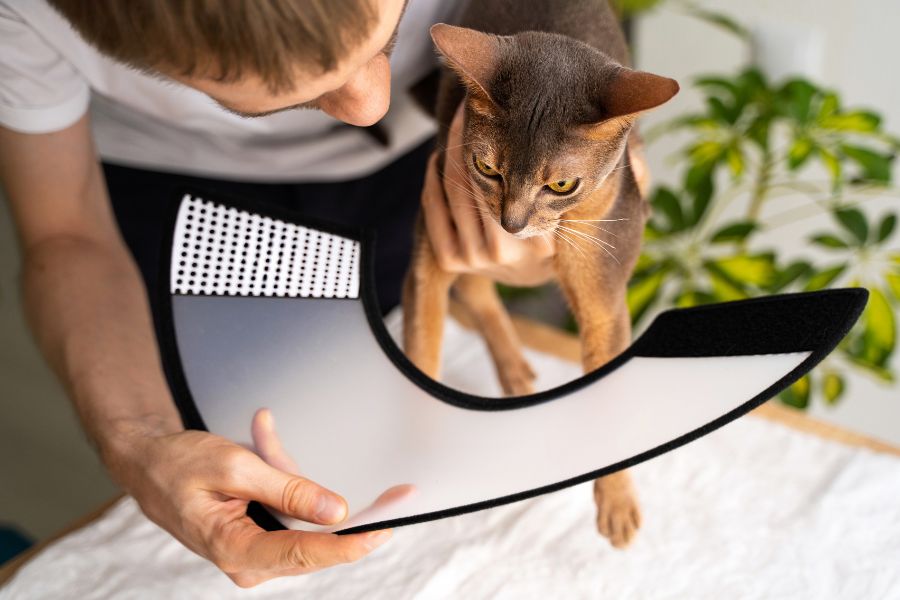




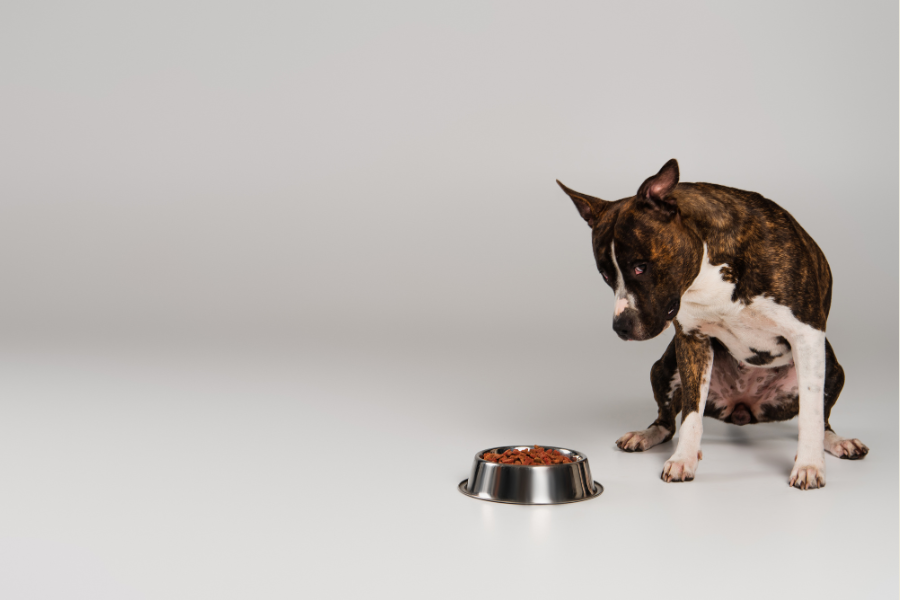
A pet refusing food for 24 hours can result from something minor, such as stress or a food change, or a problem that needs prompt attention. This guide explains common causes, warning signs, safe steps at home, and when appetite loss needs prompt professional care. Puppies, kittens, older pets, and animals with health concerns may need faster assessment. If your pet has stopped eating for a full day, Denver pet owners should know when waiting is reasonable and when action is important.
Why Has My Pet Stopped Eating?
A sudden loss of appetite is a sign rather than a diagnosis. Your pet may avoid food after stress, travel, a household change, or an unfamiliar meal.
Dental discomfort can make chewing unpleasant. Nausea, pain, fever, infections, digestive problems, medication effects, or swallowed objects can affect appetite. Cats face added risk when they stop eating, particularly when they are overweight. Prolonged fasting may contribute to serious liver complications in some cats.
Age matters. Young animals have smaller energy reserves. Senior pets may have underlying conditions that make appetite loss more meaningful. Water intake matters, too. A pet that refuses both food and water deserves closer attention.
What Should You Check at Home?
Observe your pet without forcing food. Check whether they are drinking, urinating, passing stool, and acting normally. Notice vomiting, diarrhea, drooling, coughing, breathing changes, weakness, hiding, unusual vocalization, abdominal discomfort, or trouble chewing.
Look at the food itself. Has it expired, changed formula, spoiled, or been stored differently? Think about recent treats, table scraps, medications, stressful events, or access to household items.
Offer fresh water and a small amount of the usual food. Warming wet food slightly can increase its smell. A quiet feeding area may help. Avoid force-feeding unless a qualified professional specifically instructs you. Do not give human medicines to stimulate appetite or treat stomach symptoms without guidance.
When Is 24 Hours Too Long?
One missed meal does not always indicate a problem. A healthy adult dog that remains bright, hydrated, comfortable, and active may sometimes be monitored briefly. A full 24 hours without eating deserves a call for advice.
Cats deserve special caution. Overweight cats are at risk of developing fatty liver disease after prolonged food deprivation. Kittens, puppies, pregnant animals, senior pets, and pets with chronic conditions should not be watched casually for a full day without professional guidance.
Warning Signs That Need Prompt Care
Seek prompt care if appetite loss occurs with repeated vomiting, severe diarrhea, collapse, marked weakness, difficulty breathing, a swollen or painful abdomen, pale or blue gums, seizures, confusion, or signs of dehydration. Blood in vomit or stool, suspected poisoning, or possible swallowing of an object should be treated as urgent.
Your pet’s normal behavior provides useful clues. A pet who refuses food and cannot settle needs closer attention.
If your pet needs urgent care for pets, contact a qualified animal care team promptly. Explain when your pet last ate, water intake, symptoms, medications, and possible exposure to harmful substances.
Safe Steps While You Arrange Help
Keep fresh water available throughout the day. Follow feeding instructions from your care team. Do not experiment with fasting schedules, supplements, oils, or human remedies. Prevent access to trash, plants, chemicals, medications, and unfamiliar foods.
Record the timeline. Note the last normal meal, behavior changes, bowel movements, vomiting, and anything unusual your pet may have eaten. This can make assessment more efficient.
Call us at 720-789-7000 for urgent care support when your pet’s appetite loss comes with concerning symptoms.
What Happens During an Appetite-Loss Visit?
An assessment usually begins with questions about eating habits, water, recent changes, medications, and symptoms. An examination can identify pain, dehydration, mouth problems, fever, or other clues.
Testing depends on the situation. Bloodwork, imaging, stool testing, or other checks may be recommended when the history suggests a deeper problem. Treatment should address the cause, not simply stimulate eating.
Clear communication helps. Tell the care team about supplements, treats, medicines, household changes, and anything your pet could have swallowed. Details help even when you are unsure what matters.
Conclusion
Not eating for 24 hours should never be dismissed automatically. The right response depends on your pet’s age, species, health history, behavior, hydration, and accompanying symptoms. Careful observation can help you recognize when a missed meal is temporary and when prompt support is needed.
If you’re located in Denver, reach out to 5280 Veterinary Care – where compassionate care and community come together for your pet’s well-being. Paying attention early can protect your pet from complications and give you clearer guidance with greater confidence when concerns arise unexpectedly.
Frequently Asked Questions(FAQs):
1. Is it normal for a dog not to eat for 24 hours?
A: A healthy adult dog may skip a meal, but 24 hours without food deserves attention in general. Contact a professional sooner if vomiting, weakness, pain, dehydration, or unusual behavior appears.
2. How long can a cat go without eating?
A: Cats should not go without food for extended periods. Appetite loss can become serious in overweight cats. Contact a professional promptly if your cat stops eating or develops weakness or vomiting.
3. Should I force my pet to eat?
A: Force-feeding can cause stress and may create a choking risk. Offer food and water without pressure. If your pet continues refusing food, ask a professional whether assisted feeding is appropriate.
4. Can stress make a pet stop eating?
A: Yes. Travel, visitors, moving, loud noises, schedule changes, or unfamiliar surroundings can reduce appetite. Stress should not be assumed as the cause when appetite loss persists or physical symptoms appear.
5. Should I worry if my pet drinks water but not eat?
A: Normal drinking is reassuring, but it does not explain food refusal. Monitor behavior, urination, stool, and other symptoms. Contact a professional if appetite does not return or signs develop.
6. What should I feed a pet that refuses food?
A: Offer the usual diet in a calm setting with fresh water. Warming appropriate wet food may improve aroma. Avoid sudden diet changes and human medicines unless guidance recommends them alone.