



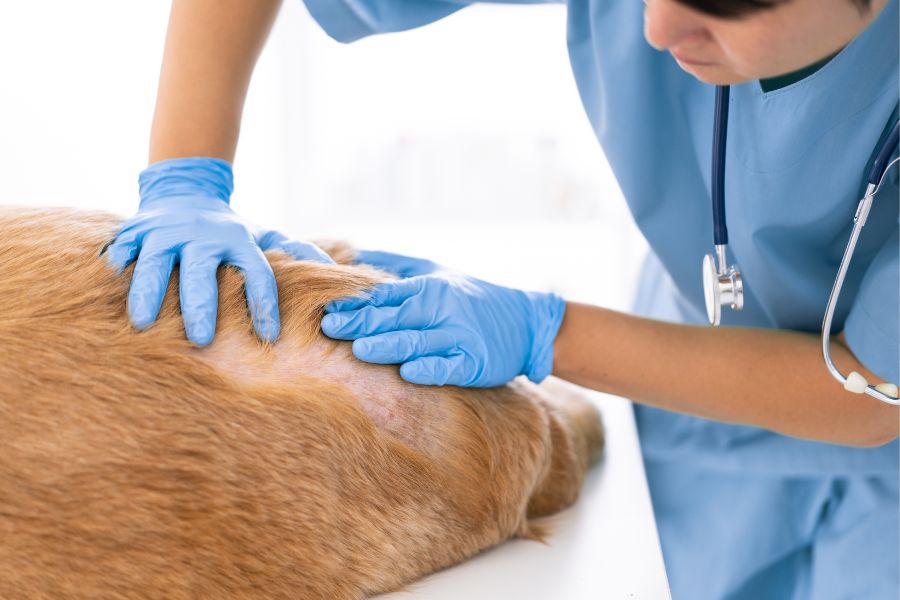
Dogs have a way of adapting to discomfort without making it obvious. Slower walks, difficulty getting comfortable, or less excitement during playtime may seem like normal aging at first. Small changes, however, sometimes point toward ongoing pain or mobility issues affecting your dog’s daily life.
Acupuncture for dogs has become a supportive treatment option for pain management, mobility concerns, and recovery support. Many pet owners explore it alongside wellness exams, diagnostic imaging, and rehabilitation care. If you’re a pet owner in Denver, this blog is especially for you. Learning the signs early may help improve your dog’s comfort and quality of life.
Slower Walks Could Mean More Than Aging
Many dogs naturally slow down over time, though stiffness and discomfort often play a bigger role than owners realize.
Dogs experiencing joint soreness may hesitate to stand up, avoid stairs, or shorten their walks without obvious limping.
Common Mobility Changes Worth Watching
- Difficulty rising: Stiff joints may make standing uncomfortable.
- Reluctance during walks: Pain can reduce enthusiasm for activity.
- Avoiding stairs or jumping: Movement changes often signal discomfort.
- Sleeping more often: Ongoing soreness may reduce energy levels.
Veterinary acupuncture sessions are commonly discussed alongside pain management, pet rehabilitation, and mobility support plans.
Chronic Pain May Affect Daily Comfort Levels
Pain does not always appear dramatically in dogs. Many pets continue to eat and interact normally while quietly dealing with discomfort.
Muscle tension, inflammation, and arthritis may gradually affect your dog’s mood and activity level.
Signs Chronic Pain May Be Developing
- Restlessness at night: Discomfort may interrupt sleep routines.
- Less interest in play: Pain can reduce motivation to be active.
- Sensitivity during touch: Certain areas may feel sore or irritated.
- Mood changes: Irritability sometimes accompanies ongoing discomfort.
Animal care teams often combine acupuncture with wellness care and diagnostic evaluations to better understand long-term pain concerns. Pain management not only helps your pet feel better but also helps them recover more quickly.
Weight Shifts Sometimes Reveal Hidden Discomfort
Joint soreness or muscle tension often shifts a pet’s weight differently when standing or walking. Small posture changes may develop before limping becomes noticeable. Uneven movement patterns place extra strain on other joints over time. Early mobility evaluations and supportive therapies may help improve comfort before movement issues become more advanced.
Favorite Activities Suddenly Feel Less Exciting
- Skipping favorite games: Dogs that avoid fetch or toys may be dealing with underlying discomfort rather than simple tiredness.
- Shorter walks than usual: Reduced stamina sometimes points toward joint pain or muscle stiffness developing gradually.
- Avoiding car rides or outdoor trips: Physical discomfort may feel less enjoyable over time.
- Less excitement during playtime: Many dogs quietly withdraw from activities they once loved as mobility changes begin to affect their comfort levels.
- Supportive care options: Pain management, rehabilitation therapy, wellness exams, and acupuncture sessions are commonly explored to help improve mobility, activity levels, and overall daily comfort for dogs experiencing ongoing stiffness or soreness.
Recovery After Surgery Feels Slower Than Expected
Healing timelines vary among dogs, though some pets appear to regain strength or comfort more slowly after surgery.
Acupuncture is sometimes used to support circulation and recovery alongside postoperative monitoring and rehabilitation services.
- Slower movement after surgery: Some dogs take longer to return to normal walking, jumping, or daily routines during recovery.
- Lower energy levels: Lingering soreness may reduce activity and playfulness after procedures.
- Changes in appetite: Discomfort sometimes affects eating habits while healing continues.
- Stiffness during recovery: Tight muscles and limited mobility may remain noticeable for weeks afterward.
- Supportive recovery options: Acupuncture, rehabilitation therapy, pain management, and postoperative monitoring are often used together to improve circulation, support healing and comfort, and encourage smoother recovery for dogs after surgical procedures or orthopedic treatments.
Recovery Signs That Deserve Attention
- Lingering stiffness: Movement may still feel uncomfortable weeks later.
- Reduced appetite: Pain can affect eating habits.
- Lower energy levels: Recovery fatigue may continue longer than expected.
- Difficulty returning to routines: Dogs may avoid normal activities.
According to treatment observations in animal medicine, supportive therapies focused on pain management often improve comfort and mobility during recovery.
Anxiety And Tension Sometimes Affect Physical Health
Stress not only affects behavior. Tension may also contribute to muscle tightness, pacing, restlessness, and sleep disruption in some dogs.
Acupuncture sessions are occasionally used as part of broader wellness support plans for anxious pets.
Physical Signs Stress May Affect Your Dog
- Constant pacing: Restlessness may signal discomfort or tension.
- Trouble settling down: Some dogs struggle to relax comfortably.
- Muscle tightness: Stress can affect physical movement patterns.
- Reduced appetite during stress: Anxiety sometimes impacts eating habits.
Behavior changes should always be discussed during wellness visits and physical evaluations.
Older Dogs Often Need Extra Mobility Support
Senior dogs commonly experience stiffness, slower movement, and joint discomfort as they age. Daily activities that once seemed easy may become harder over time.
Supportive therapies often focus on helping aging dogs stay comfortable and active longer.
Senior Dogs Often Show These Changes
- Slower morning movement: Stiffness may increase after rest.
- Reduced endurance: Walks may become shorter over time.
- Trouble getting comfortable: Joint soreness can affect sleep positions.
- Less interest in activity: Mobility challenges may lower energy.
Acupuncture is frequently discussed alongside pet wellness exams, arthritis support, and pain management options for senior dogs.
Supporting Better Comfort For Active Dogs
Mobility changes and chronic discomfort can affect everything from walks to sleep quality. Early attention often helps dogs stay active and comfortable longer, especially when combined with routine wellness care and ongoing monitoring.
Acupuncture may not replace every treatment approach, though many pet owners explore it as part of a broader pain management and recovery plan designed around their dog’s needs.
Helping Dogs Feel More Comfortable Again
If you’re in Denver and searching for acupuncture treatment or animal wellness services near you, learning more about supportive care options may help improve your dog’s mobility and comfort. Book an appointment with 5280 Veterinary Care to discuss pain management, rehabilitation care, wellness exams, and how our team can help support your dog’s long-term health and recovery.
Frequently Asked Questions(FAQs):
1. Why do dogs hide chronic pain so well?
A: Dogs naturally adapt to discomfort over time. Reduced activity, stiffness, slower movement, or behavioral changes often appear gradually rather than as obvious signs of pain.
2. Can acupuncture help senior dogs stay active longer?
A: Supportive acupuncture sessions are often discussed for mobility concerns, joint stiffness, and arthritis management to help aging dogs maintain comfort and daily activity levels.
3. Why would a recovering dog need acupuncture support?
A: Some dogs experience lingering soreness, stiffness, or reduced mobility after surgery. Supportive therapies may help improve comfort and encourage smoother recovery progress.
4. Can stress cause physical discomfort in dogs?
A: Yes. Anxiety and tension may contribute to pacing, muscle tightness, appetite changes, and difficulty relaxing, which can affect overall physical comfort over time.
5. What mobility changes should owners monitor closely?
A: Difficulty with standing, hesitation during walks, avoidance of stairs, reduced playfulness, and stiffness after resting are common signs worth discussing during wellness evaluations.