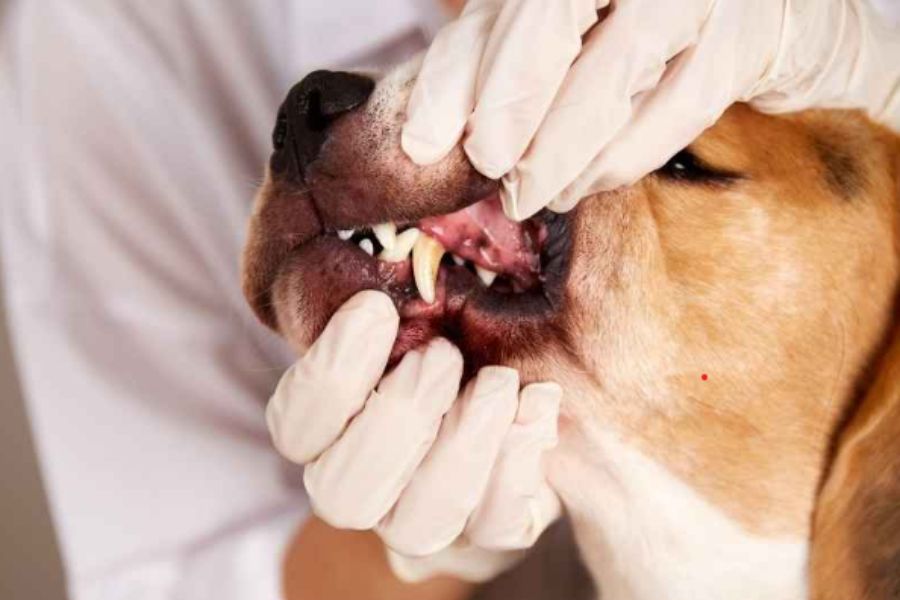




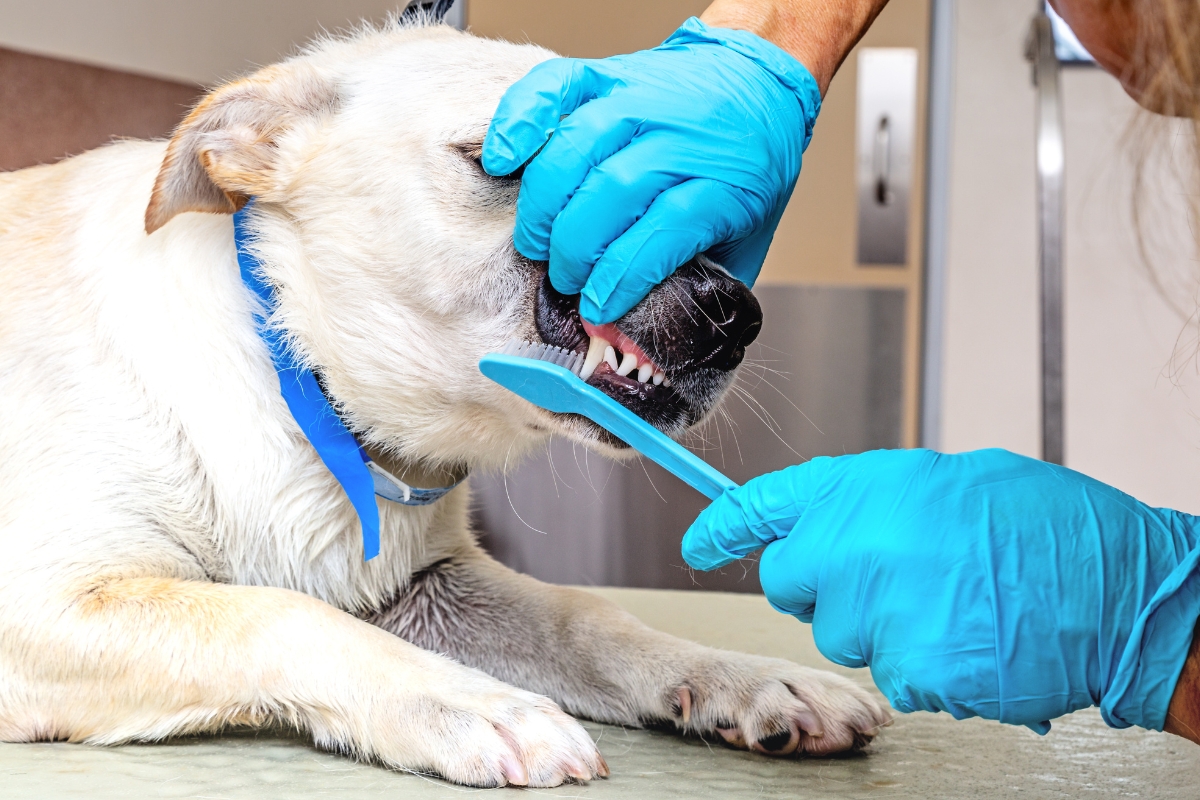
As pet owners, we are often focused on ensuring our furry friends are happy and healthy, but there’s one aspect of their health that can be easily overlooked—pet dental care. Just like humans, pets require regular dental cleanings to maintain their overall health. While brushing your pet’s teeth at home is an important part of dental care, professional cleanings by a veterinarian are essential for keeping their mouth healthy.
In this blog, we will discuss the importance of regular dental cleanings for your pet, how dental health affects your pet’s overall well-being, and what to expect during a professional cleaning. This blog is especially for pet owners in Denver, CO, who want to ensure their pets enjoy healthy teeth and gums for a lifetime.
1. The Basics of Pet Dental Care
Just like humans, pets can develop dental problems like plaque, tartar, gingivitis, and even tooth decay. These problems often go unnoticed because pets cannot tell us when they are experiencing discomfort in their mouths. Over time, poor dental hygiene can lead to more serious issues, including infections, pain, and even organ damage.
How It Helps: Regular pet dental care through professional cleanings can help prevent these issues from occurring. A professional cleaning removes plaque and tartar buildup, which are common causes of gum disease, tooth loss, and other dental problems. By keeping your pet’s teeth clean, you can help them avoid the pain and discomfort caused by oral health issues.
2. The Link Between Oral Health and Overall Health
Oral health is directly linked to your pet’s overall health. Bacteria from dental disease can spread to other parts of the body, causing systemic issues. For example, untreated periodontal disease can lead to infections in vital organs such as the heart, liver, and kidneys. These bacteria can enter the bloodstream and negatively affect your pet’s organs, potentially leading to serious health problems that are harder and more expensive to treat.
How It Helps: Professional cleanings not only keep your pet’s mouth healthy but also help protect their internal organs. By preventing oral infections, you are also reducing the risk of your pet developing more serious, life-threatening conditions. Dental care is an essential part of maintaining your pet’s overall health, which is why regular check-ups and cleanings are so important.
3. Prevention of Bad Breath
One of the most common signs of dental problems in pets is bad breath. While it’s normal for pets to have a slight odor in their mouth, persistent bad breath (halitosis) is often a sign of underlying dental issues, such as gum disease or tooth decay.
How It Helps: Regular pet dental care through cleanings helps to reduce bad breath by removing the plaque and tartar that contribute to the odor. Clean teeth and gums mean fresher breath, and your pet will feel more comfortable interacting with you and others. Professional cleanings can significantly improve your pet’s breath and overall mouth odor.
4. Preventing Gum Disease
Gum disease, or periodontal disease, is one of the most common dental problems in pets, especially as they age. Periodontal disease occurs when plaque and tartar build up on the teeth and gums, leading to inflammation and infection. If left untreated, gum disease can cause pain, tooth loss, and even damage to the jawbone.
How It Helps: Regular dental cleanings help prevent the buildup of plaque and tartar, reducing the risk of gum disease. During a professional cleaning, the veterinarian will thoroughly clean below the gumline, which is where plaque and tartar tend to accumulate. By preventing gum disease early on, you can avoid the pain and expense associated with more advanced dental problems.
5. The Importance of Early Detection of Dental Problems
Just like other health issues, the earlier you detect dental problems, the better the outcome for your pet. Routine dental cleanings allow your veterinarian to check for early signs of issues like tooth decay, gum disease, or oral tumors. Early detection can lead to more effective treatments and prevent more serious complications down the road.
How It Helps: During a dental cleaning, your vet will carefully examine your pet’s teeth and gums for signs of decay, infection, or other abnormalities. They will also look for oral tumors or growths that could be signs of more serious issues. Early detection allows for treatment before the problem becomes severe, saving you time and money in the long run.
6. What to Expect During a Professional Pet Dental Cleaning
A professional dental cleaning for pets is a routine procedure that involves a thorough cleaning of the teeth and gums, both above and below the gumline. Your pet will be placed under anesthesia to ensure they remain still and comfortable during the procedure.
The Process: During the cleaning, the veterinarian will use specialized instruments to remove plaque and tartar from your pet’s teeth. The vet will also polish the teeth to smooth the surfaces and prevent further plaque buildup. After the cleaning, the veterinarian will examine your pet’s teeth and gums for any signs of disease or other issues.
How It Helps: The use of anesthesia ensures that your pet doesn’t experience any discomfort during the procedure and allows the vet to clean all areas of the mouth thoroughly. Professional cleanings are much more effective at preventing dental problems than home brushing alone.
7. The Role of Regular Check-ups in Pet Dental Care
While regular dental cleanings are important, they should be part of an overall dental care plan that includes regular veterinary check-ups. Your vet will check your pet’s teeth and gums during each routine visit and provide recommendations for maintaining their oral health.
How It Helps: Regular check-ups allow your veterinarian to monitor your pet’s dental health over time and make adjustments to their care routine as needed. If your pet’s dental health is not improving or if new issues arise, your vet can recommend additional treatments or interventions to keep their mouth healthy.
Localizing Pet Dental Care in Denver, CO
For pet owners in Denver, regular dental cleanings are essential for maintaining their pet’s overall health. With the dry air and active outdoor lifestyle in Denver, dental issues can develop quickly in pets who are exposed to environmental factors. At 5280 Veterinary Care, our team of professionals provides expert pet dental care to keep your pet’s teeth and gums healthy. We understand the specific needs of pets in our area and are dedicated to ensuring your pet enjoys a lifetime of good oral health.
Regular dental cleanings are essential for maintaining your pet’s overall health. By preventing dental disease, reducing bad breath, and detecting problems early, professional cleanings contribute to a healthier, happier life for your pet. Whether it’s to maintain dental hygiene, prevent gum disease, or ensure your pet’s teeth remain in great condition, dental cleanings play a vital role in your pet’s well-being.
If you’re in Denver and need expert pet dental care, schedule an appointment with 5280 Veterinary Care. Our veterinary team is dedicated to providing the best dental services to help your pet live a long, healthy life.
FAQs
Q1. How often should I have my pet’s teeth cleaned?
Ans. Most pets should have a professional dental cleaning at least once a year. Some pets, especially older ones, may require cleanings more frequently based on their dental health.
Q2. Can I clean my pet’s teeth at home?
Ans. Yes, home brushing is essential for maintaining dental health. Your vet can recommend pet-safe toothpaste and brushes to help you keep your pet’s teeth clean between professional cleanings.
Q3. What are the signs that my pet needs a dental cleaning?
Ans. Signs that your pet needs a dental cleaning include bad breath, swollen or bleeding gums, difficulty eating, and yellow or brown tartar buildup on their teeth.
Q4. Is professional dental cleaning safe for my pet?
Ans. Yes, professional dental cleanings are performed under anesthesia to ensure your pet is comfortable and pain-free during the procedure.
Q5. Can poor dental hygiene affect my pet’s overall health?
Ans. Yes, untreated dental disease can lead to serious health problems, such as heart, liver, and kidney disease, as bacteria from the mouth can enter the bloodstream and affect other organs.
Q6. How can I prevent dental problems in my pet?
Ans. Brushing your pet’s teeth regularly, providing dental chews, scheduling professional cleanings, and ensuring routine check-ups with your vet are the best ways to prevent dental issues.