




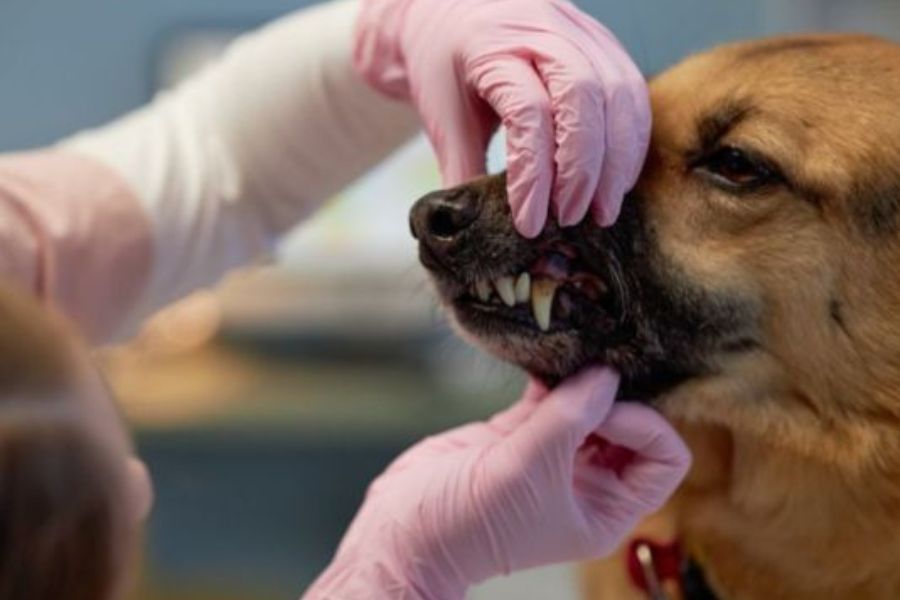
A healthy mouth does far more than keep your pet’s breath fresh. Oral health affects comfort, eating habits, mood, and overall wellness in dogs and cats. Many pets develop dental disease slowly, which makes problems difficult to notice during the early stages.
Plaque buildup, inflamed gums, and damaged teeth may create pain that affects daily life. Some pets continue eating and playing while hiding discomfort from their owners. Regular cleanings, healthy routines, and professional exams help prevent serious oral concerns before they become more difficult to manage.
This article explains the connection between dental health and overall wellness, signs of oral disease, practical home care methods, and the value of professional cleanings. Understanding the importance of consistent oral care allows pet owners to support happier, healthier companions for years.
Why Oral Health Deserves Attention
Many pet owners think dental care only protects teeth. The truth is much broader. Oral bacteria collect around the teeth and gums every day. Plaque hardens into tartar when it remains untreated for long periods. This buildup irritates gum tissue and may create painful infections.
Dental disease often affects more than the mouth. Pets with severe oral problems may struggle with eating, chewing toys, or enjoying normal activities. Some animals lose interest in meals because chewing becomes uncomfortable. Others become less playful or more withdrawn because of ongoing irritation.
Bacteria from untreated oral disease may also place stress on the body over time. Early care helps reduce discomfort and supports better long-term wellness for pets of all ages.
Common Signs of Dental Problems in Pets
1. Persistent Bad Breath
Strong breath odor is one of the most common warning signs of dental disease. Persistent odor may indicate plaque buildup, infected gums, or bacteria trapped beneath the gumline.
2. Red or Swollen Gums
Healthy gums should look firm and pink. Swelling, redness, or bleeding often signal irritation or gum disease that requires attention.
3. Difficulty Eating
Pets with dental discomfort may chew slowly, avoid crunchy food, or drop food while eating. Changes in appetite should never be ignored.
4. Excessive Drooling
Drooling sometimes increases when pets experience mouth pain or irritation. Some pets also paw at their face because of sensitivity around the teeth.
5. Loose or Damaged Teeth
Broken, loose, or discolored teeth may indicate advanced oral disease or injury. Early treatment often improves comfort and helps prevent worsening damage.
The Importance of Home Dental Routines
Consistent home care supports healthy teeth and gums between professional cleanings. Small daily habits often create lasting benefits.
Brushing remains one of the most effective ways to reduce plaque buildup. Pet-safe toothpaste and soft brushes help make the process safer and easier. Many pets become comfortable with brushing when owners introduce the routine slowly and reward calm behavior.
Dental chews, oral rinses, and specially designed diets may also support healthier teeth. These products help reduce buildup while encouraging proper chewing habits.
Many owners searching for guidance about pet dental care discover that consistency matters more than perfection. Even short brushing sessions several times each week may improve oral health over time.
Professional Dental Cleanings and Exams
Professional cleanings remove tartar from areas that brushing cannot always reach. Dental exams also help identify hidden problems before they become severe.
Many clinics examine the mouth during wellness appointments and recommend cleanings based on a pet’s age, breed, and oral condition. Dental X-rays may reveal damage beneath the gumline that remains invisible during a basic visual inspection.
Early treatment often reduces pain and lowers the chance of tooth loss or infection. Pet owners looking for a veterinarian near you should choose a clinic that values preventive care and open communication during dental visits.
Helping Pets Feel Comfortable During Dental Care
Positive experiences help pets feel calmer during oral care sessions. Owners should begin slowly and reward relaxed behavior with praise or healthy treats.
Short sessions often work best for nervous pets. Finger brushes or dental wipes may help animals become comfortable before introducing a regular toothbrush.
Daily routines also improve consistency. Brushing after meals or before bedtime helps many owners maintain a regular schedule without feeling overwhelmed. A strong commitment to oral hygiene supports fresher breath, healthier gums, and improved quality of life for many dogs and cats.
Conclusion
Dental health plays an important role in your pet’s comfort, eating habits, and daily happiness. Regular home care and professional cleanings help reduce pain while supporting healthier teeth and gums throughout life. If you are located in Denver and looking for a trusted veterinarian near you, contact us, and our team is always ready to provide compassionate support and reliable dental guidance for your beloved companion.
Frequently Asked Questions(FAQs):
1. How often should pets receive professional dental cleanings?
A: Most pets benefit from yearly dental exams and cleanings. Some breeds develop plaque faster and may need more frequent visits depending on age, diet, and overall oral health.
2. Can dental disease affect my pet’s behavior?
A: Yes. Pets with oral pain may become less playful, avoid interaction, lose interest in meals, or appear irritable because of ongoing discomfort inside the mouth.
3. Is bad breath always caused by dental disease?
A: Persistent bad breath often signals plaque buildup or gum disease. Occasional odor after meals is common, though a strong odor that continues deserves professional attention.
4. What toothpaste should pets use?
A: Pets should only use toothpaste designed specifically for animals. Human toothpaste may contain ingredients that are unsafe for dogs and cats when swallowed.
5. Are dental treats enough to keep teeth clean?
A: Dental treats support oral hygiene but should not replace brushing or professional cleanings. Combining several care methods often provides better long-term protection.
6. When should dental care begin for puppies and kittens?
A: Dental routines should begin early so young pets become comfortable with brushing and handling. Early habits often create easier oral care experiences later in life.