




Helping pets lose weight does not mean removing treats entirely. It means choosing smarter, lower-calorie options that still feel rewarding. This guide explains practical treat alternatives, portion awareness, and simple swaps that support weight goals without sacrificing enjoyment.
Many pet owners struggle to balance feeding routines, especially when pets expect snacks during the day. With the right choices, treats can still be part of a balanced plan. If you live in Denver, understanding local pet lifestyles, such as limited outdoor time during colder months, can also influence feeding habits.
Why Treat Choices Matter for Weight Loss
Treats often seem small, yet they can add significant calories throughout the day. A few extra bites may undo progress made through portion-controlled meals. For overweight pets, even minor adjustments can lead to steady improvement over time.
Instead of eliminating treats, focus on quality and portion size. A low-calorie treat given intentionally works better than frequent high-calorie snacks given without tracking. Consistency matters more than strict restriction.
How to Choose the Right Low-Calorie Treats
1. Look for Simple Ingredients
Treats with fewer ingredients are easier to understand and portion. Whole foods or minimally processed options help reduce hidden calories.
2. Focus on Texture and Size
Smaller treats or those that can be broken into pieces help maintain satisfaction without adding excess calories.
3. Avoid Hidden Additives
Some treats contain added sugars or fats that increase calorie density. Reading labels helps avoid unnecessary extras.
Best Low-Calorie Treat Options for Dogs
1. Fresh Vegetables
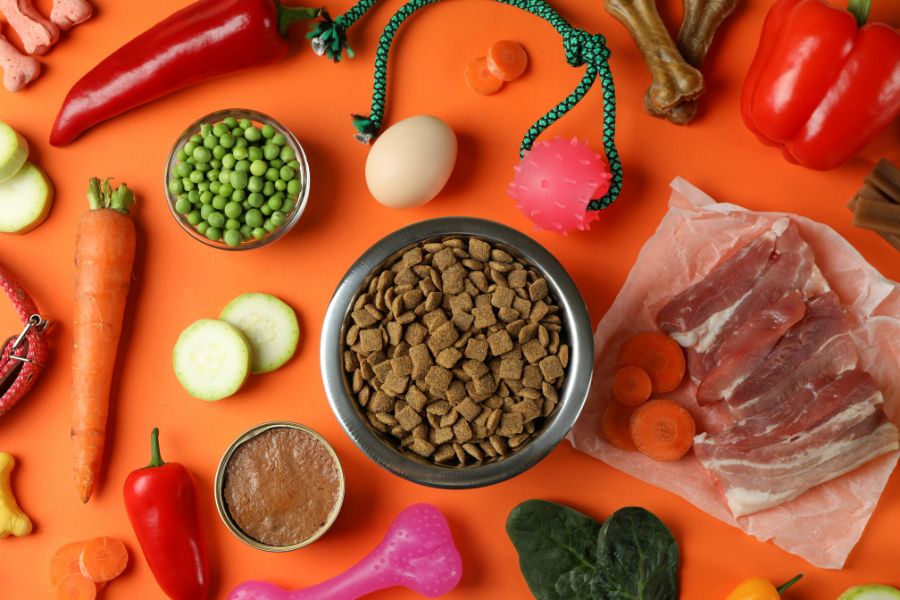
Carrots, green beans, and cucumber slices are excellent low-calorie snacks. They provide crunch and hydration while keeping calorie intake low.
2. Apple Slices (Without Seeds)
Apples offer natural sweetness and fiber. Small slices can be used as occasional rewards.
3. Plain Cooked Chicken Pieces
Lean protein in tiny portions can be highly motivating. Keep portions small and avoid seasoning.
4. Air-Popped Popcorn
Plain popcorn without butter or salt can be given in moderation. It works well as a light, crunchy reward.
5. Ice Cubes or Frozen Broth
Frozen treats can keep dogs engaged longer. Use unsalted broth for added flavor without excess calories.
Best Low-Calorie Treat Options for Cats
1. Small Pieces of Cooked Fish
Cats respond well to strong flavors. Tiny portions of plain fish can serve as effective treats.
2. Freeze-Dried Meat Treats
These are often high in protein and low in calories when given in small quantities.
3. Cat Grass
Some cats enjoy nibbling on grass. It adds variety without contributing many calories.
4. Cucumber or Zucchini Slices
Not all cats prefer vegetables, but some enjoy the texture. Offer small pieces and observe interest.
5. Ice Licks with Tuna Water
Freezing diluted tuna water can create a stimulating, low-calorie treat option.
Portion Control: The Key to Success
Even low-calorie treats can become excessive if given frequently. A simple rule is to keep treats under ten percent of daily calorie intake. Breaking treats into smaller pieces can make them last longer and feel more frequent to your pet.
Using treats as part of training or activity sessions also helps manage intake. Instead of free feeding treats, tie them to positive behavior or engagement.
Smart Treat Swaps for Daily Use
Replacing high-calorie snacks with healthier alternatives is one of the easiest ways to support weight loss. Swap biscuits with carrot slices. Replace fatty meat scraps with lean protein pieces. These small changes create a noticeable difference over time.
Pet owners in Denver often adjust feeding routines based on seasonal changes. During colder months, pets may exercise less, making low-calorie treat options even more important.
Behavioral Strategies to Reduce Treat Dependence
Pets often ask for treats out of habit rather than hunger. Redirecting attention can reduce unnecessary snacking.
- Use playtime instead of treats as a reward
- Offer affection or interaction instead of food
- Maintain a consistent feeding schedule
These strategies help shift focus away from constant snacking.
When to Reevaluate Treat Choices
If weight loss stalls, it may be time to reassess treatment frequency and portion size. Monitoring progress weekly helps identify patterns. Gradual adjustments are more effective than sudden restrictions.
If you’re located in Denver and looking for trusted veterinary care near you, then schedule an appointment with 5280 Veterinary Care to explore personalized nutrition guidance and overall wellness support for your pet.
Common Mistakes to Avoid
Many pet owners unintentionally slow progress by overestimating portion sizes. Treats given by multiple family members can also add up quickly. Keeping a shared feeding plan helps maintain consistency.
Avoid using human snacks that are high in fat or sugar. Even small amounts can disrupt calorie balance.
Conclusion
Supporting a pet’s weight loss journey requires patience, consistency, and thoughtful choices. Low-calorie treats make it possible to maintain bonding moments without slowing progress. By focusing on portion control, healthier alternatives, and behavioral strategies, pet owners can create sustainable habits that benefit long-term health.
Small adjustments lead to meaningful results over time, especially for overweight pets. We are conveniently located in Denver, CO. Reach out to our facility at 3100 Gilpin St, Denver, CO 80205—where compassionate care and community come together for your pet’s well-being.
Frequently Asked Questions(FAQs):
1. What are the safest low-calorie treats for pets trying to lose weight?
A: Fresh vegetables like carrots and green beans are safe for dogs, while small portions of cooked fish or freeze-dried meat work well for cats. Always introduce new foods gradually and monitor for any reactions.
2. How often should I give treats to my pet during weight loss?
A: Treats should make up less than ten percent of daily intake. Limiting frequency while maintaining consistency helps prevent overfeeding and supports gradual, sustainable weight loss.
3. Can I completely stop giving treats to help my pet lose weight?
A: Stopping treats entirely is not necessary. Instead, focus on healthier alternatives and controlled portions. This approach keeps pets motivated and prevents frustration or behavioral changes.
4. Are store-bought low-calorie treats better than homemade options?
A: Both can work well. Store-bought treats offer convenience, while homemade options provide control over ingredients. The key factor is portion size and overall calorie awareness.
5. How do I know if my pet is getting too many treats?
A: Weight gain or lack of progress is a clear indicator. Tracking daily intake and observing body condition helps identify whether treat portions need adjustment.
6. What should I do if my pet constantly asks for treats?
A: Redirect attention with play, training, or affection. Establishing a routine reduces treat-seeking behavior and helps pets adapt to a healthier feeding pattern.