



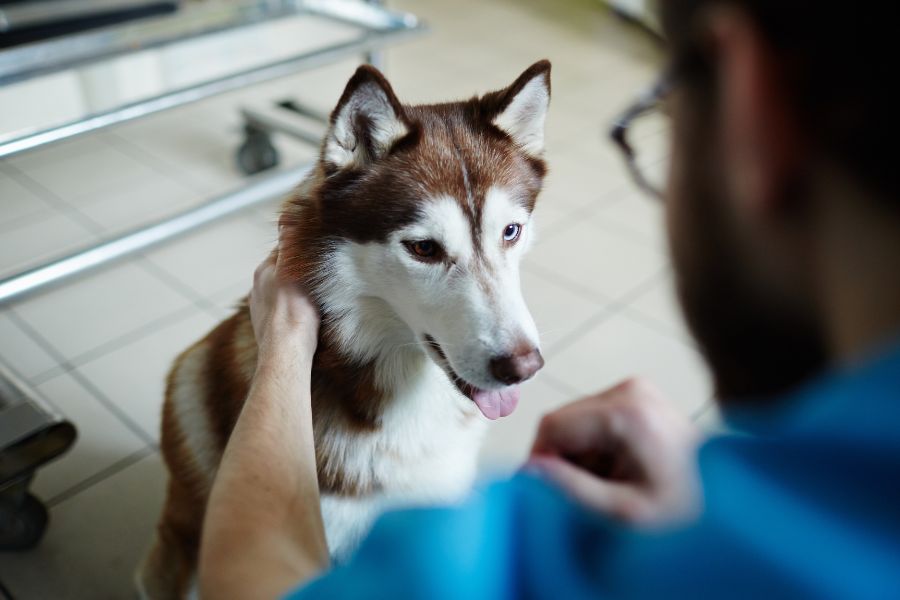
The average Husky lifespan is about 12 to 14 years, although some Siberian Huskies live beyond 14 years when they have good genetics, healthy body weight, regular exercise, balanced nutrition, and consistent preventive care. A Husky’s age is only part of the story. Their overall health, lifestyle, and inherited traits can have a major effect on how they age.
If you are thinking about bringing a Husky into your family, you may wonder, “How long do Huskies live?” If you already have one, you may want to know whether your dog is considered young, adult, or senior and what changes to expect next.
Understanding the Husky lifespan by age can make those years easier to navigate. It also helps owners recognize normal aging and notice changes that deserve attention.
How Long Do Huskies Live?
Siberian Huskies generally have a life expectancy of around 12 to 14 years. Some remain active and healthy into their mid-teens, while others develop health problems earlier in life.
There is no exact age that applies to every Husky. Two dogs from the same litter can age differently because of differences in genetics, weight, activity, diet, environment, and health history.
A useful way to think about the Husky lifespan is in stages:
- Puppy: Birth to about 1 year
- Young adult: About 1 to 3 years
- Adult: About 4 to 7 years
- Mature adult: About 8 to 10 years
- Senior: Around 11 years and older
These age ranges are general guidelines rather than strict rules. A 10-year-old Husky may still be energetic, while another may show clear signs of slowing down.
Husky Lifespan by Age
1. Husky Puppies: Birth to 1 Year
The first year is a period of rapid growth and learning. Husky puppies develop their bones, muscles, coordination, social skills, and adult habits during this time.
They are naturally curious and energetic. Their need for exercise can seem endless, but young puppies should not be pushed into intense or repetitive activity before their bodies are ready.
This is also an important period for building healthy habits. A puppy needs appropriate nutrition, routine health visits, parasite protection, vaccinations, socialization, training, and plenty of rest.
Huskies are intelligent and independent dogs. Early training can help prevent unwanted behaviors such as excessive pulling, escaping, destructive chewing, and poor recall.
2. Young Adult Huskies: 1 to 3 Years
By one year, a Husky has reached most of its physical size, but maturity continues to develop.
This is often one of the most active stages of the Husky lifespan. Young adults usually have plenty of energy and need regular physical activity and mental stimulation.
Daily walks, supervised running, play, training exercises, and enrichment activities can help keep a young Husky healthy and engaged.
This is also the stage when an owner’s lifestyle can have a lasting impact. A dog that regularly gets appropriate exercise and maintains a healthy body weight has a better foundation for healthy aging.
3. Adult Huskies: 4 to 7 Years
During the adult years, many Huskies are physically mature and settled into their normal routines.
A healthy adult Husky may still be highly active. However, owners should not assume that a dog that looks fit cannot have health problems.
Regular checkups can help identify changes that are difficult to notice at home. Dental problems, eye changes, skin concerns, weight gain, and other conditions may develop gradually.
Maintaining a healthy weight is especially important. Extra body weight places additional stress on the joints and can make exercise more difficult as the dog gets older.
4. Mature Huskies: 8 to 10 Years
Around eight years old, many Huskies begin moving into their mature adult years.
You may notice subtle changes. Your dog might sleep more, take longer to recover after strenuous exercise, or become less interested in long periods of activity.
These changes do not automatically mean that something is wrong. Aging naturally affects stamina and recovery.
At the same time, new or sudden changes should not simply be blamed on age. A noticeable drop in energy, appetite, mobility, or behavior can signal an underlying health issue.
This is a good stage to pay closer attention to your dog’s normal routine. Knowing what is normal for your Husky makes unusual changes much easier to spot.
5. Senior Huskies: 11 Years and Beyond
At around 11 years, a Husky is generally considered a senior. Reaching this age is a significant milestone.
Senior Huskies may slow down, sleep more, and prefer shorter walks. Some develop gray hair around the face, reduced muscle mass, changes in hearing or vision, or stiffness after resting.
Senior does not mean inactive or unhealthy. Many older Huskies continue to enjoy walks, play, affection, and family life.
The goal during the senior years is not to stop activity. It is to adjust activity to match your dog’s comfort and abilities.
Shorter walks, gentle play, comfortable bedding, appropriate nutrition, and regular health monitoring can make daily life easier.
What Affects a Husky’s Lifespan?
The average Husky lifespan provides a useful benchmark, but several factors influence how long an individual dog lives.
1. Genetics
Genetics can affect both longevity and the risk of certain inherited conditions. A responsible breeding history may reduce the likelihood of some hereditary problems, although no breeder can guarantee a completely disease-free dog.
2. Body Weight
Keeping a Husky at a healthy weight is one of the most practical things an owner can do for long-term health.
Excess weight can put added pressure on joints and make physical activity harder. It can also contribute to other health complications.
Instead of judging weight only by appearance, ask a professional to assess your dog’s body condition during routine visits.
3. Nutrition
A complete and balanced diet provides the nutrients a Husky needs throughout life.
Nutritional needs change with age, activity level, reproductive status, and health. Puppies, active adults, and seniors may not need the same type or amount of food.
Portion control matters just as much as food quality. Even healthy food can contribute to weight gain when portions are too large.
4. Exercise
Huskies were bred for endurance and physical work. Regular exercise is a major part of keeping them healthy.
A Husky that does not receive enough activity may become bored or develop unwanted behaviors. However, exercise should be appropriate for the dog’s age and physical condition.
A young, healthy Husky may enjoy longer activities, while a senior may do better with several shorter walks.
5. Preventive Care
Routine checkups can help identify problems before they become more difficult to manage.
Preventive care may include vaccinations, parasite prevention, dental assessments, weight checks, blood testing when appropriate, and other age-related evaluations.
The frequency and type of care should be based on the individual dog rather than a one-size-fits-all schedule.
Common Health Concerns in Huskies
Huskies are generally considered a relatively healthy breed, but they can still develop certain health problems.
1. Eye Conditions
Huskies can be prone to several eye disorders. Changes such as cloudiness, redness, squinting, discharge, or difficulty seeing should be evaluated rather than dismissed as normal aging.
2. Joint and Mobility Problems
As Huskies age, joint stiffness and mobility changes can become more noticeable. A dog that hesitates before climbing stairs, struggles to stand, or avoids activities it once enjoyed may be experiencing discomfort.
Keeping your dog lean and providing appropriate exercise can support joint health throughout life.
3. Dental Disease
Dental problems can affect dogs of any age and become more common as they grow older.
Bad breath, difficulty chewing, drooling, red gums, or reluctance to eat harder food can indicate an oral health problem.
Regular dental care at home, along with professional dental assessments when needed, can help protect your dog’s mouth as it ages.
4. Skin and Coat Changes
Huskies have thick double coats that require regular grooming. Changes in shedding, coat texture, itching, hair loss, or skin appearance can have many causes.
A sudden change deserves attention, especially when it occurs with changes in appetite, energy, or behavior.
How to Help Your Husky Live a Longer, Healthier Life
You cannot control every factor that affects your dog’s lifespan, but you can control many important parts of daily care.
Start with a balanced diet and appropriate portions. Keep your Husky active without pushing beyond its physical limits. Maintain regular grooming and dental care. Provide fresh water and a safe living environment.
Pay attention to behavior, too.
Is your Husky suddenly sleeping much more? Is your dog avoiding stairs? Has appetite changed? Is your once-social dog becoming withdrawn?
Small changes can provide useful clues about your dog’s health. Keeping a simple record of weight, appetite, activity, and noticeable behavior changes can make conversations about health much more productive.
Senior dogs also benefit from an environment that supports comfort and mobility. Non-slip surfaces, easy access to water, supportive bedding, and gentle exercise can make everyday life easier.
When Should You Be Concerned About Aging?
Aging itself is normal. Sudden or significant changes are not something to ignore.
Contact your dog’s care team if you notice persistent appetite changes, unexplained weight loss or gain, repeated vomiting or diarrhea, breathing problems, major changes in thirst or urination, difficulty walking, persistent pain, confusion, or a sudden behavior change.
The goal is not to assume every change is serious. It is to avoid assuming every change is “just old age.”
Early attention can make some health problems easier to manage and can help preserve your Husky’s comfort and quality of life.
Understanding Your Husky’s Life Expectancy
The average Husky lifespan of 12 to 14 years gives owners a general expectation, not a deadline.
Your dog’s age matters, but health history, genetics, weight, nutrition, exercise, preventive care, and daily environment matter too. A healthy 12-year-old Husky may still have plenty of happy years ahead, while another dog may need more support at a younger age.
The best approach is to focus on the individual dog in front of you. Know your Husky’s normal habits, keep up with routine care, provide age-appropriate activity, and respond to meaningful changes.
A longer life is valuable, but quality matters just as much. The real goal is to help your Husky remain comfortable, active, engaged, and connected with the people who matter most for as many healthy years as possible.
Frequently Asked Questions(FAQs):
1. What is the average lifespan of a Husky?
A: The average Siberian Husky lifespan is approximately 12 to 14 years. Some Huskies live into their mid-teens, while others have shorter lifespans due to genetics, disease, accidents, or other factors.
2. Is 10 years old considered old for a Husky?
A: A 10-year-old Husky is generally considered a mature or senior-age dog. However, many Huskies at this age remain active and enjoy a good quality of life when their health is well managed.
3. Can Huskies live past 14 years?
A: Yes. Some Huskies live beyond 14 years. Genetics, overall health, body weight, nutrition, exercise, preventive care, and environmental factors can all influence individual longevity.
4. What health problems can shorten a Husky’s lifespan?
A: Huskies can develop eye disorders, joint problems, dental disease, and other health conditions. Serious illness, untreated disease, obesity, and accidents can affect longevity. Regular health monitoring can help identify concerns earlier.
5. How can I help my Husky live longer?
A: Provide a complete and balanced diet, maintain a healthy body weight, offer regular age-appropriate exercise, keep up with dental and preventive care, and pay attention to changes in behavior or physical condition. These steps support both longevity and quality of life.