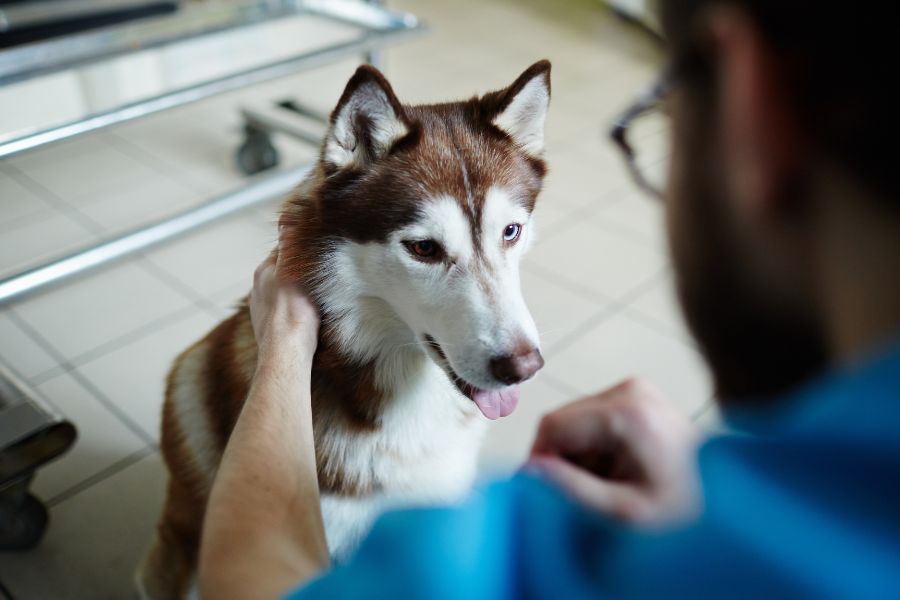





Dog skin allergies can turn ordinary activities into uncomfortable experiences. Constant scratching, red patches, paw licking, and recurring ear irritation may indicate an underlying allergy. Recognizing dog skin allergy symptoms early helps pet owners identify possible triggers, prevent worsening irritation, and seek appropriate treatment.
This guide covers ten warning signs, common allergy causes, practical relief measures, and situations requiring veterinary attention. Every dog responds differently, so symptoms alone cannot confirm an allergy. Careful observation and professional evaluation can help your pet feel comfortable again.
What Causes Skin Allergies in Dogs?
Dog skin allergies develop when a dog’s immune system reacts to substances that would not normally cause problems. Common triggers include environmental allergens, flea bites, and certain food ingredients. Some dogs experience seasonal itching, while others struggle throughout the year.
10 Dog Skin Allergy Symptoms to Watch For
1. Persistent Scratching and Itching
Frequent scratching is one of the most recognizable dog skin allergy symptoms. Your dog might scratch the belly, neck, ears, or sides repeatedly. Persistent itching can disrupt sleep and damage the skin. Contact your veterinarian if scratching becomes intense or continues for several days.
2. Excessive Paw Licking or Chewing
Dogs sometimes lick their paws after walking outside. Repeated licking, chewing, or nibbling may signal allergic irritation. Check between the toes for redness, swelling, or moisture. Brown saliva stains on light-colored fur can indicate ongoing licking rather than a normal grooming habit.
3. Red or Inflamed Skin
Allergic reactions can leave the skin pink, red, warm, or irritated. Common areas include the abdomen, armpits, groin, and paws. Redness may become more noticeable after scratching. Spreading inflammation, painful skin, or discharge warrants prompt veterinary assessment.
4. Recurrent Ear Infections
Frequent ear infections may accompany environmental or food allergies. Watch for head shaking, ear scratching, redness, unpleasant odors, or unusual discharge. Dogs with recurring ear problems need an examination to identify the cause. Avoid inserting cotton swabs or unprescribed products into the ear canal.
5. Hair Loss or Thinning Fur
Repeated scratching and chewing can break hairs and create bald patches. Hair loss may appear around the tail, legs, paws, or ears. Allergies are one possible explanation, but parasites, infections, and hormonal conditions can produce similar changes. Seek advice if fur loss spreads.
6. Hot Spots and Open Sores
Hot spots are moist, inflamed skin patches that can develop rapidly when dogs lick or scratch excessively. The affected area may look raw, swollen, or painful. These lesions can worsen quickly and become infected. Arrange prompt veterinary care instead of relying on home remedies.
7. Dry, Flaky, or Scaly Skin
White flakes, rough patches, or unusually dry skin may accompany irritation. Some dogs develop crusts from repeated scratching. Dry skin alone does not prove an allergy; grooming products, parasites, and other skin conditions may be responsible. Persistent scaling deserves professional evaluation.
8. Bumps, Hives, or Small Rashes
Raised bumps, scattered red spots, or sudden hives can appear after exposure to an allergen. Reactions may follow insect bites, medications, or environmental contact. Facial swelling, breathing difficulty, or collapse requires emergency veterinary attention because these signs may indicate a severe allergic reaction.
9. Unpleasant Skin Odor
A strong, unusual smell can develop when irritated skin becomes infected with bacteria or yeast. You might notice odor around the paws, ears, skin folds, or affected patches. Bathing may temporarily mask the smell without addressing its cause. Persistent odor needs examination.
10. Frequent Rubbing Against Furniture
Your dog may drag its face across carpets, rub its body against furniture, or repeatedly roll on the ground. These behaviors can indicate itching around the face, ears, back, or abdomen. Watch for repeated patterns and record when symptoms appear to help identify triggers.
How Can You Help a Dog With Skin Allergies?
Start by documenting symptoms, their frequency, and possible environmental changes. Wash bedding regularly, keep your dog’s living area clean, and gently wipe paws after outdoor walks. Use veterinarian-approved flea prevention consistently.
Avoid human antihistamines, medicated creams, essential oils, or dietary changes without professional guidance. Treatment depends on the underlying cause and may include parasite control, prescription medication, specialized diets, or treatment for secondary infections.
When Should You Contact a Veterinarian?
Schedule an appointment for persistent itching, recurring ear problems, unexplained hair loss, or skin changes that do not improve. Seek urgent care for rapidly spreading sores, severe discomfort, or significant swelling. Breathing difficulties or collapse require emergency attention.
Conclusion
Dog skin allergy symptoms can range from mild paw licking to painful sores and recurring infections. Early recognition, consistent observation, and appropriate treatment can reduce discomfort and protect your dog’s skin. Don’t assume every rash is an allergy; several conditions can look similar.
If you’re located in Denver, consider reaching out to 5280 Veterinary Care, where compassionate care and community come together to support your pet’s well-being. Schedule an appointment to discuss persistent itching, skin irritation, or other concerning changes.
Frequently Asked Questions(FAQs):
1. What are the first signs of skin allergies in dogs?
A: Early signs often include frequent scratching, paw licking, red skin, and head shaking. Some dogs develop irritated ears or small rashes. Persistent or worsening symptoms deserve veterinary evaluation.
2. What causes skin allergies in dogs?
A: Common causes include pollen, dust mites, flea saliva, and certain food ingredients. Contact irritants can also affect some dogs. Identifying the trigger often requires reviewing symptoms and veterinary findings.
3. How can I soothe my dog’s itchy skin at home?
A: Keep your dog away from suspected irritants, wash bedding regularly, and wipe paws after walks. Avoid human medications and unapproved creams. Contact your veterinarian if itching persists or worsens.
4. Can dog food cause skin allergies?
A: Yes. Some dogs develop allergic reactions to particular food proteins. Diagnosis may involve a veterinarian-guided elimination diet lasting several weeks. Random food changes can complicate identifying the actual trigger.
5. When should I worry about my dog’s skin allergy symptoms?
A: Seek veterinary care for persistent itching, hair loss, recurring ear infections, or open sores. Facial swelling, breathing difficulty, or collapse requires emergency attention because severe allergic reactions can become life-threatening.
6. Are dog skin allergies curable?
A: Some reactions improve when a trigger is removed. Environmental allergies often require long-term management, while flea-related symptoms may improve with effective prevention. Treatment depends on the cause and your dog’s individual response.