



A painful mouth can change how a pet eats, sleeps, plays, and interacts with family. A chipped tooth may look minor, but a broken tooth with exposed inner tissue can cause pain and infection. Bleeding gums can reflect irritation, gum disease, injury, or deeper dental concerns.
This guide covers warning signs, safe steps before a visit, actions to avoid, and ways pet dental care protects comfort and oral health. Severe pain, ongoing bleeding, facial swelling, or trouble eating calls for urgent care for pets. For pet parents in Denver, recognizing these signs can support timely professional care.
Why Pet Dental Problems Need Attention
Pets often hide discomfort. A dog may keep playing despite a damaged tooth. A cat may withdraw, drool, or eat less.
Dental pain can worsen when a damaged tooth exposes sensitive inner layers. Bacteria can enter damaged areas and cause infection. Gum disease can damage tissues supporting teeth. A sudden change in eating habits deserves attention.
Quick Mouth Check
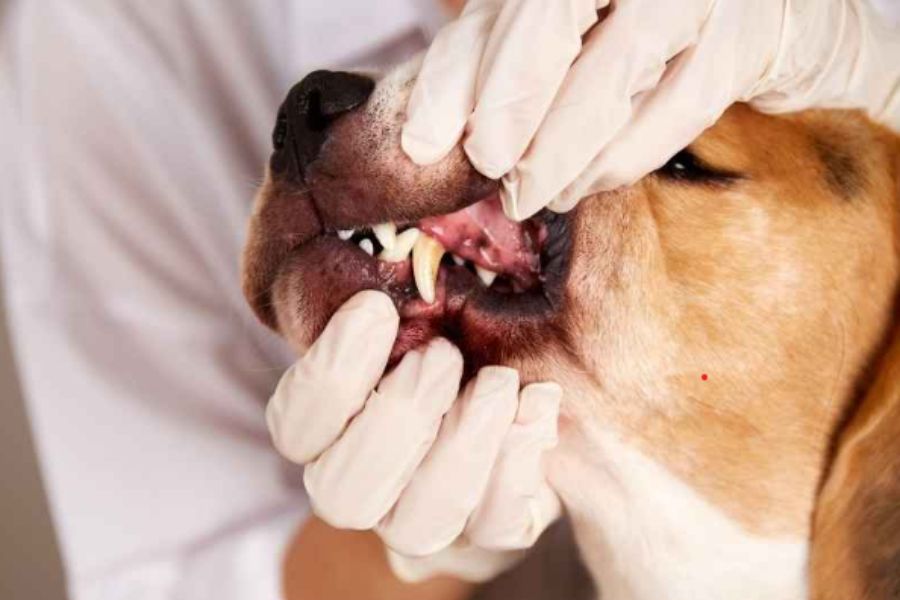
Look inside your pet’s mouth only if they are calm. Watch for:
- Bleeding gums
- A cracked, chipped, loose, or missing tooth
- Excessive drooling
- Pawing at the mouth
- Strong or unusual bad breath
- Facial or jaw swelling
- Difficulty chewing or dropping food
- Refusing hard food or treats
- Vocalizing when the mouth is touched
- Reduced appetite or unusual behavior
When Is Dental Care Urgent?
A broken tooth needs prompt assessment when it is painful, bleeding, loose, or visibly damaged. A fracture reaching the tooth’s center can be extremely painful. Treatment may control discomfort and protect the tooth from infection.
Bleeding gums deserve attention when bleeding is persistent, heavy, unexplained, or paired with swelling, weakness, pain, or trouble eating. A small spot after chewing may be less concerning than bleeding that continues or returns.
Red Flags That Should Not Wait
Contact a pet care professional promptly if your pet has:
- Facial or jaw swelling
- Continuous mouth bleeding
- Severe or worsening pain
- Trouble swallowing
- Difficulty opening or closing the mouth
- A tooth broken near the gumline
- A loose tooth after an injury
- Pus, significant swelling, or a foul odor
- Refusal to eat or drink
These signs can indicate dental injury, infection, or tissue damage. Prompt care can reduce suffering.
What Can You Do Before the Visit?
Keep your pet calm. Offer soft food if eating is comfortable. Provide water. Remove hard chews, bones, antlers, and rigid toys that could worsen a damaged tooth.
Do not pull a loose tooth yourself. Do not scrape tartar with household tools. Do not apply human toothpaste, pain relievers, alcohol, or home remedies unless a professional recommends them. Some human medications can harm pets.
For mild bleeding, avoid repeatedly touching the area. Heavy bleeding or bleeding that does not stop needs prompt professional care.
How Professional Pet Dental Care Helps
A dental visit begins with an assessment of the mouth and your pet’s condition. Treatment depends on the problem. A veterinarian may recommend cleaning, imaging, pain control, tooth treatment, or removal of a damaged tooth.
Routine pet dental care matters when no urgent problem exists. Regular checks can identify gum disease, damaged teeth, plaque buildup, and other concerns before they become painful.
Prevention Starts at Home
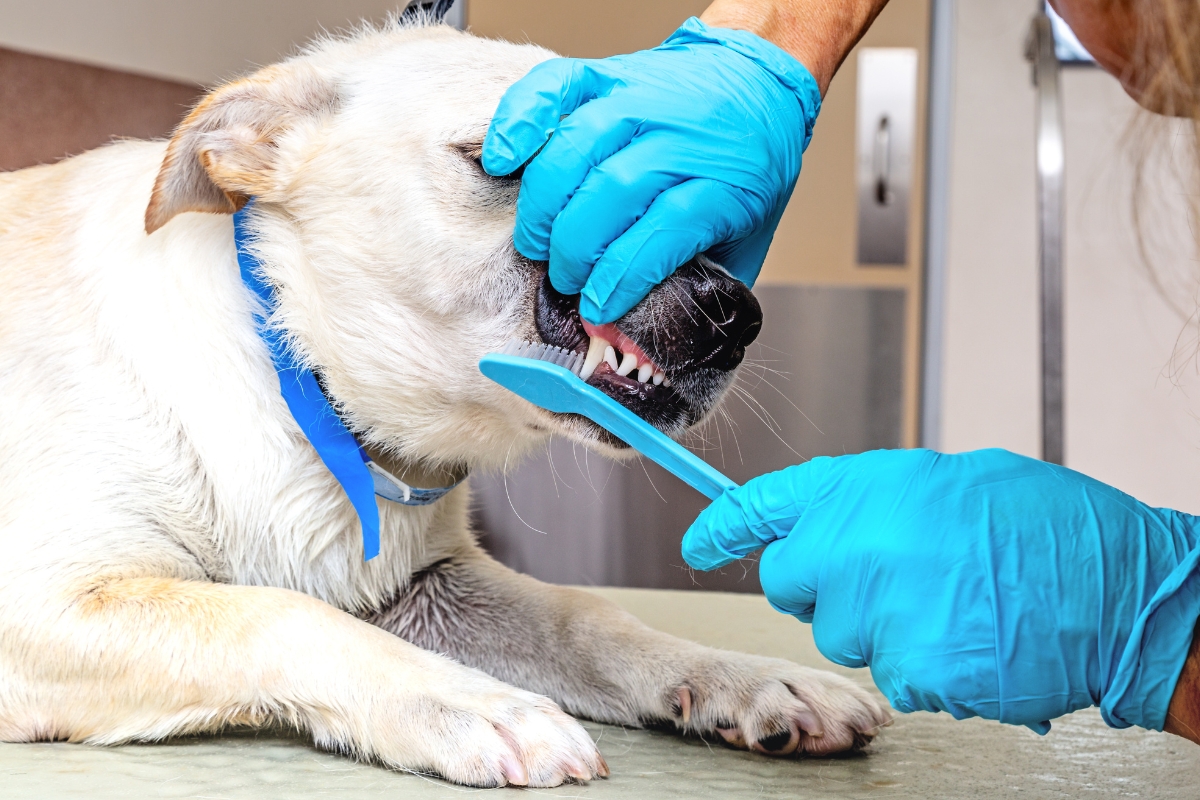
Daily brushing with pet-safe toothpaste supports oral health. Dental diets, treats, and chews may support cleaner teeth when selected appropriately.
Schedule regular dental evaluations, especially for older pets or those with previous mouth problems. Ask which products suit your pet. Avoid extremely hard objects that can fracture teeth.
Conclusion: Act on Dental Pain Early
Broken teeth, bleeding gums, and dental pain should not be dismissed as simple mouth problems. A pet may hide discomfort until it becomes difficult to ignore. Watch for changes in eating, chewing, drooling, behavior, swelling, and bleeding. Warning signs help you decide when home monitoring is reasonable and when professional attention is needed.
Pet dental care supports comfort, eating, and quality of life. If you’re located in Denver, reach out to 5280 Veterinary Care—where compassionate care and community come together for your pet’s well-being. Call us at 720-789-7000 when your pet needs urgent care.
Frequently Asked Questions(FAQs):
1. How can I tell if my pet has dental pain?
Watch for reduced appetite, chewing on one side, drooling, pawing at the mouth, bad breath, facial swelling, or resistance to mouth handling. Sudden changes in sleep, play, or behavior can signal discomfort and deserve attention.
2. Is a broken tooth in a dog urgent?
A broken tooth should receive prompt assessment, especially when bleeding, pain, swelling, or exposed inner tissue is present. Delayed treatment can allow bacteria to reach deeper tooth structures, increasing discomfort and the chance of complications.
3. Why are my pet’s gums bleeding?
Bleeding gums can result from gum disease, injury, irritation, foreign material, or damaged teeth. Persistent or unexplained bleeding should be evaluated, particularly when your pet has swelling, pain, bad breath, or difficulty eating.
4. Can I give my pet human pain medicine for tooth pain?
Do not give human pain medicine unless a pet care professional specifically directs you. Several common medications can be unsafe for animals. Professional guidance helps determine an appropriate medication and safe amount for your pet’s needs.
5. What should my pet eat after dental treatment?
Soft food is often easier to manage after dental treatment, but feeding instructions depend on the procedure performed. Follow your pet’s specific care plan, monitor eating closely, and contact the clinic if chewing remains painful or difficult.
6. How can I prevent broken teeth and gum disease?
Brush your pet’s teeth with pet-safe toothpaste, arrange regular dental checks, monitor the mouth for changes, and avoid extremely hard chews or objects. Early attention to bad breath, bleeding, or damaged teeth can prevent bigger problems.
Related Articles