We are Hiring! Join Our Team.


Diluted Urine in Cats: An Early Kidney Warning Sign



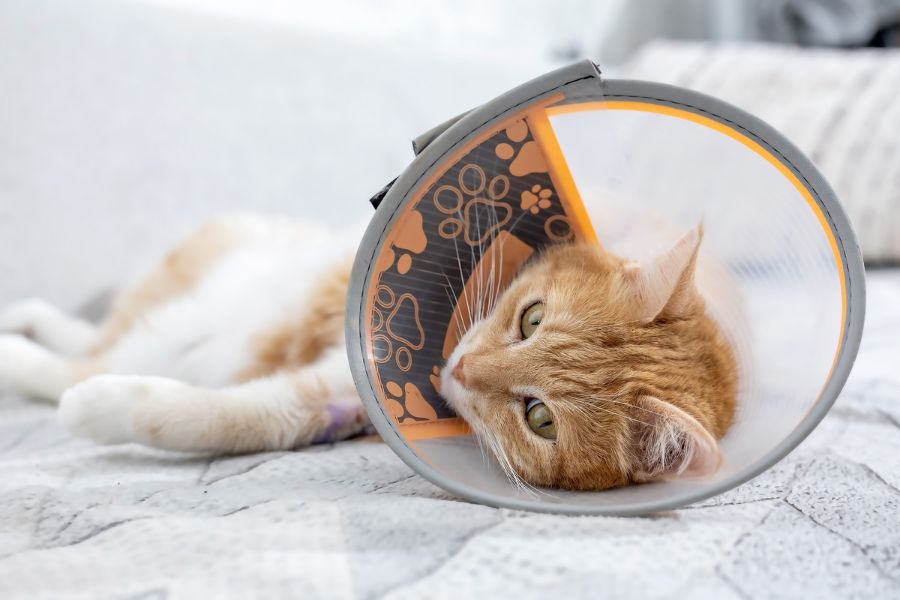
Your cat seems healthy, eats normally, and still enjoys favorite activities. Yet a routine urine test reveals something unexpected: diluted urine. Could this be an early warning sign of kidney disease? Diluted urine in cats sometimes indicates that the kidneys are losing their ability to conserve water, even before noticeable symptoms appear.
Changes in drinking habits, larger urine clumps, and frequent urination can provide additional clues. Understanding urine concentration, possible causes, diagnostic tests, and treatment options helps cat owners recognize concerns early and make informed decisions about their pet’s kidney health.
What Does Diluted Urine Mean in Cats?
Healthy kidneys filter waste from the bloodstream while controlling how much water leaves the body through urine. When cats need to conserve water, their kidneys produce concentrated urine.
Diluted urine contains more water relative to dissolved substances. This can happen after increased water intake or because the kidneys cannot concentrate urine effectively.
Understanding Urine Specific Gravity
Urine specific gravity (USG) measures urine concentration. A refractometer determines how concentrated a sample is compared with water.
Healthy cats commonly produce urine with a USG above 1.035, although individual readings vary.
Results below 1.035 deserve interpretation alongside hydration, diet, medications, and bloodwork. Values between 1.008 and 1.012 suggest urine concentration similar to the initial fluid filtered by the kidneys.
One diluted sample does not confirm kidney disease. Repeated measurements and additional findings provide a clearer picture.
Why Diluted Urine Can Signal Early Kidney Disease
Kidneys contain tiny filtering structures called nephrons. These structures remove waste while helping maintain the body’s fluid balance.
Chronic kidney disease gradually damages kidney tissue, reducing its ability to perform these functions.
The Connection Between Kidney Function and Urine Concentration
A declining ability to concentrate urine can appear before obvious illness develops.
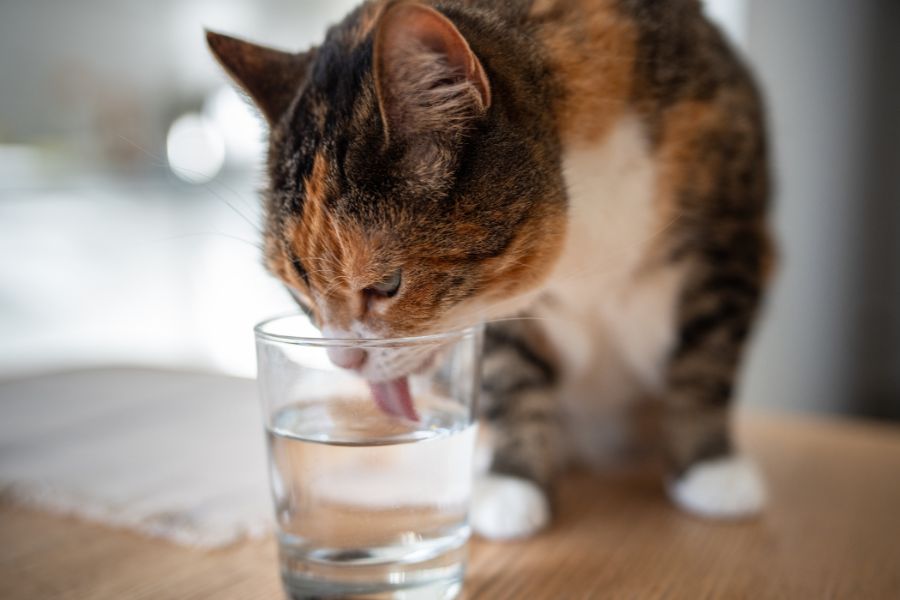
Affected cats lose additional water through urination and may drink more to compensate. Their bodies struggle to retain adequate fluid despite increased thirst.
Blood tests sometimes remain within reference ranges during early disease. Urine findings can raise suspicion, but diagnosis requires a broader assessment.
Kidney disease becomes more common with age, making routine screening particularly valuable for senior cats.
Signs Cat Owners Should Watch For
Changes around the litter box often reveal important information.
- Larger urine clumps appearing regularly
- More frequent visits involving substantial urination
- Increased water bowl refills
- Unexplained weight loss
- Reduced appetite
- Occasional vomiting
- Lower energy levels
- Poor coat condition
When Changes Become Concerning
Increased thirst and urination deserve an appointment, especially when they persist for several days.
Cats with advanced kidney problems may develop dehydration, nausea, weakness, or noticeable weight loss.
Straining to urinate, repeated unsuccessful attempts, or producing little urine requires immediate attention. These signs may indicate a urinary blockage rather than diluted urine.
Other Causes of Diluted Urine in Cats
Kidney disease is an important possibility, but several conditions affect urine concentration.
1. Diabetes Mellitus
Diabetes increases blood glucose levels. Excess glucose enters urine and draws additional water with it, causing increased urination and thirst.
2. Hyperthyroidism
An overactive thyroid gland can increase drinking and urination. Affected cats may lose weight despite maintaining a strong appetite.
3. Diet and Water Intake
Cats eating wet food consume considerable moisture through meals. Their urine may be less concentrated than that of cats eating dry food.
4. Medications and Fluid Therapy
Diuretics, certain medications, and recently administered fluids can influence urine concentration.
Urinary infections and other health problems may also contribute to abnormal findings. Identifying the underlying cause prevents unnecessary treatment.
How Is Diluted Urine Diagnosed?
A thorough assessment combines medical history, physical examination, and laboratory testing.
1. Urinalysis
Urinalysis measures urine concentration and checks for protein, glucose, blood, and signs of infection.
2. Blood Tests
Blood chemistry evaluates creatinine, blood urea nitrogen, and other markers. SDMA testing can provide additional information about kidney filtration.
3. Additional Screening
Blood pressure measurements, urine protein testing, thyroid screening, and imaging may be recommended.
Access to cat diagnostic care helps identify kidney concerns through appropriate laboratory testing and individual health assessments.
Can Early Kidney Problems Be Managed?
Chronic kidney disease cannot usually be reversed, but early management can help slow progression and maintain comfort.
Treatment depends on the underlying diagnosis and disease stage.
Recommended care may include prescription kidney diets, hydration support, blood pressure management, and medication for specific complications.
Never restrict drinking water to make urine more concentrated. Cats need unrestricted access to fresh water.
Regular follow-up testing helps determine whether treatment adjustments are necessary.
Conclusion: Protect Your Cat’s Kidney Health
Diluted urine deserves attention, particularly when accompanied by increased thirst, frequent urination, or unexplained weight loss. These changes do not automatically indicate kidney disease, but they provide valuable reasons to investigate.
Early testing helps identify potential problems, clarify their causes, and guide appropriate care before symptoms become severe.
For cat owners in Denver, 5280 Veterinary Care offers diagnostic testing to evaluate kidney function and investigate changes in urination.
Book an appointment to discuss your cat’s symptoms, review testing options, and take a proactive approach to protecting their long-term kidney health.
Frequently Asked Questions(FAQs):
1. Is diluted urine always a sign of kidney disease in cats?
A: No. Increased water consumption, wet food, medications, diabetes, and thyroid disorders can produce diluted urine. Kidney disease remains an important possibility, particularly in older cats. Testing helps distinguish temporary changes from underlying health problems.
2. What urine specific gravity indicates kidney problems in cats?
A: A urine specific gravity below 1.035 may raise concern, especially when dehydration or abnormal kidney blood values are present. No single number confirms kidney disease. Hydration, medications, repeated samples, and additional testing influence interpretation.
3. Can cats have kidney disease with normal blood test results?
A: Yes. Early kidney changes may affect urine concentration before standard blood markers become abnormal. Normal bloodwork cannot completely exclude early disease. Urinalysis, SDMA testing, medical history, and follow-up evaluations help clarify suspicious findings.
4. How often should senior cats receive kidney screening?
A: Many senior cats benefit from health examinations approximately every six months. Bloodwork and urine testing schedules depend on age, previous results, and existing conditions. Your cat’s doctor can recommend an appropriate monitoring plan.
5. Does wet food cause diluted urine in cats?
A: Wet food increases moisture intake, which can naturally reduce urine concentration. This does not automatically indicate illness. Persistent excessive urination, increased thirst, weight loss, or abnormal laboratory results still require evaluation for underlying conditions.
6. Can early kidney disease in cats be cured?
A: Chronic kidney disease generally cannot be cured because damaged kidney tissue rarely recovers. Appropriate nutrition, hydration, medication, and monitoring can help manage complications. Early identification offers more opportunities to protect comfort and quality of life.