



If you are bringing home a Maine Coon, expect a large, affectionate cat with a gentle personality, intelligence, and a coat that needs regular attention. This guide covers size, lifespan, temperament, grooming, diet, exercise, health, kitten care, behavior, and everyday needs.
Meet the Maine Coon Cat
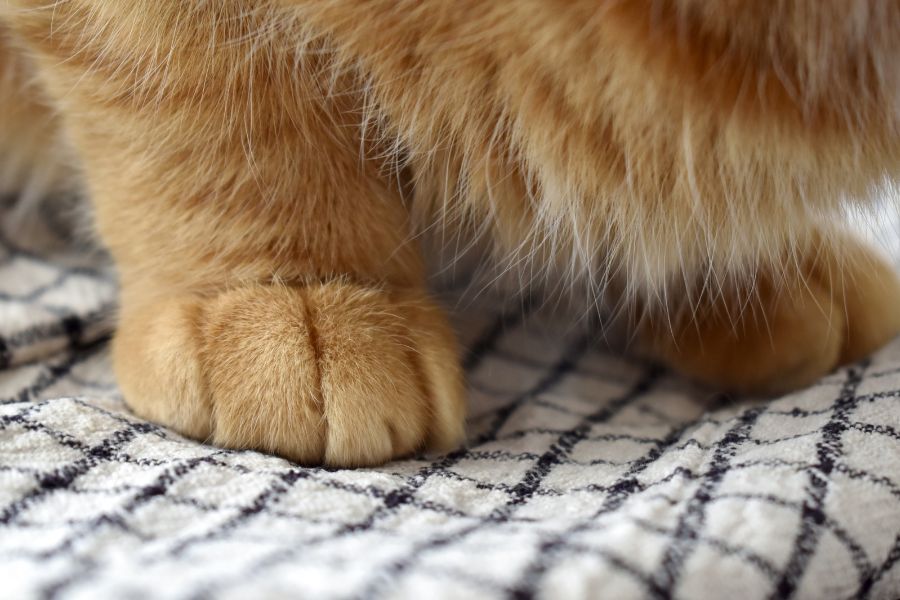
Maine Coon cats are one of the largest domestic cat breeds. Their long bodies, tufted ears, bushy tails, substantial paws, and flowing coats create a distinctive appearance. Despite their size, many have a calm, friendly nature. Many are social without being demanding.
A Maine Coon may follow family members around the home, watch household activities, and seek affection on its own terms. Many enjoy interactive play and learn routines quickly. Every cat is different.
Maine Coon Size, Lifespan, and Personality
How big do Maine Coon cats get?
Adult Maine Coon cats can be considerably larger than average house cats. Males are commonly heavier and more muscular, while females tend to be smaller. Growth can continue for several years.
What is their temperament like?
Maine Coon temperament is usually friendly, adaptable, curious, and people-oriented. Many accept children and other pets with careful introductions. They often remain playful and may communicate with soft chirps or trills.
Grooming a Maine Coon
That beautiful coat needs a routine. Brush your Maine Coon several times each week to reduce loose hair, prevent tangles, and notice skin changes. Use a metal comb on dense areas, including the chest, belly, legs, and ears.
Feeding and Nutrition
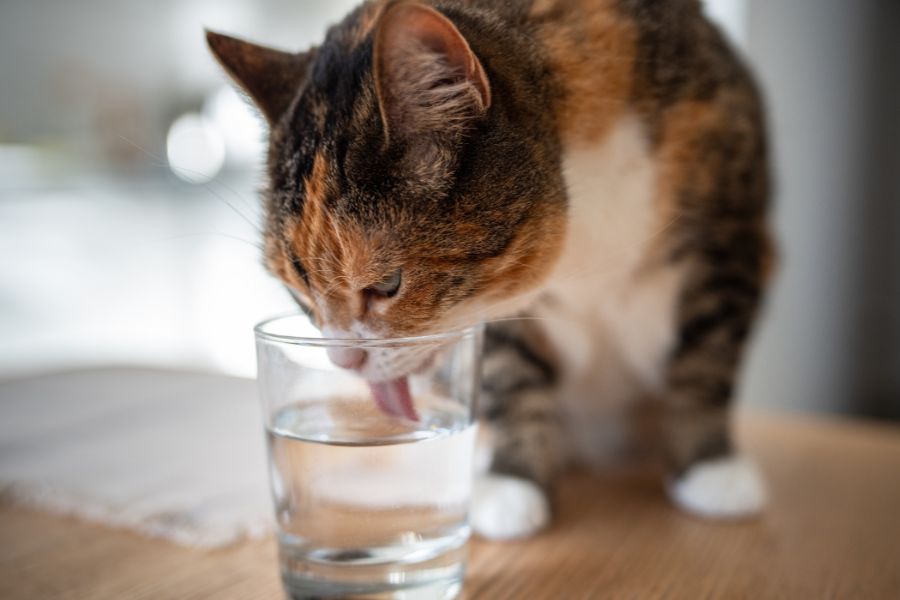
Maine Coon cats need a complete, balanced diet matched to age, activity level, and body condition. Kittens require nutrition that supports growth; adults need portions that maintain a healthy weight. Keep fresh water available.
Avoid choosing food solely because it says “for large breeds.” Individual nutritional needs matter more than marketing language. Ask your cat’s care team about portions if you are unsure how much to feed. Regular weight checks can reveal gradual changes.
Exercise, Enrichment, and Home Setup
A Maine Coon may be gentle, but that does not mean inactive. Daily play supports fitness and gives an intelligent cat an outlet for curiosity. Wand toys, puzzle feeders, tunnels, climbing trees, and safe window perches can enrich indoor life.
Create vertical space that can safely support a large cat. Secure tall furniture and inspect scratching posts regularly. Rotate toys to keep familiar activities interesting. Short daily play sessions work well for busy households.
Maine Coon Health: What Owners Should Know
Maine Coon cats can be susceptible to certain inherited and breed-associated conditions, including hypertrophic cardiomyopathy, hip problems, and spinal muscular atrophy. These conditions do not affect every Maine Coon. Responsible breeders may use health screening and genetic testing to reduce avoidable risks.
Watch for changes in appetite, weight, movement, breathing, grooming, litter box habits, or energy. A cat that suddenly hides, stops eating, struggles to breathe, or appears severely painful needs prompt attention. Routine veterinary care helps establish a health baseline and supports early detection.
Choosing a Maine Coon Kitten
A healthy start begins with a thoughtful source. Look for breeders or adoption organizations transparent about health history, living conditions, socialization, vaccinations, and genetic screening where appropriate. Ask to see records and understand the agreement.
Avoid rushing because a kitten has an appealing appearance. Ask about parental health, temperament, feeding, litter habits, and early handling. A reputable source should welcome questions.
Common Maine Coon Behavior Questions
Maine Coon cats may knead, chirp, follow people, sleep in unusual places, or seek attention at specific times. These behaviors can be normal expressions of personality. Scratching, climbing, and energetic play are natural feline behaviors, not signs of bad character.
The Maine Coon Owner Checklist
Prepare before your cat arrives: a spacious litter box, quality food, fresh water, grooming tools, scratching options, safe toys, a suitable carrier, comfortable resting areas, and climbing space. Learn your cat’s normal habits so unusual changes are easier to recognize.
A Maine Coon brings personality, presence, and companionship into a home. Understanding the breed’s needs makes ownership more rewarding. Give your cat room to grow, opportunities to explore, regular grooming, sensible nutrition, and attentive health support.
The goal is simple: help your Maine Coon live comfortably, confidently, and as part of the family. Preparation makes daily care feel much simpler.
Frequently Asked Questions
1. Are Maine Coon cats good pets?
A: Maine Coon cats can make wonderful companions for families, couples, and individuals. Their friendly nature, intelligence, and playful personality appeal to many owners. Their large size and grooming needs require preparation, space, time, and consistent daily care.
2. How long do Maine Coon cats live?
A: A Maine Coon’s lifespan varies with genetics, nutrition, environment, preventive care, and overall health. Many can enjoy their teenage years with attentive ownership. Regular checkups, healthy weight management, safe housing, and prompt attention to changes support long-term wellbeing.
3. Are Maine Coon cats high maintenance?
A: Maine Coon cats are not necessarily difficult, but their size and long coat create extra responsibilities. Frequent brushing, nail care, suitable equipment, enrichment, balanced nutrition, and routine health monitoring should be part of everyday ownership.
4. Do Maine Coon cats shed a lot?
A: Yes, Maine Coon cats can shed noticeably, with seasonal changes often affecting loose hair. Regular brushing helps manage shedding and reduces tangles. Vacuuming favorite resting areas and providing routine grooming can keep household fur more manageable.
5. Can Maine Coon cats live indoors?
A: Yes. Maine Coon cats can thrive indoors when their environment provides climbing opportunities, play, scratching areas, resting spaces, mental stimulation, and safe access to windows. Indoor living can also reduce exposure to traffic, fights, parasites, and other outdoor hazards.
6. Are Maine Coon cats good with children?
A: Many Maine Coon cats are patient and social with respectful children. Supervision matters, especially with young kids. Teach children to handle cats gently, avoid chasing or pulling, and recognize when a cat wants quiet time or personal space.