



If you’ve ever found claw marks on your couch, carpet, or favorite chair, you may have wondered why cats scratch so much. Scratching is one of the most common feline behaviors, yet it is often misunderstood. Many cat owners assume their pet is being destructive or misbehaving. The truth is very different. Scratching serves several important physical and emotional purposes for cats. It helps maintain healthy claws, provides exercise, marks territory, and allows cats to communicate with their environment.
Understanding why cats scratch can help you manage the behavior without frustration while supporting your cat’s well-being. In this guide, we’ll explore the science behind scratching, discuss common reasons cats scratch furniture, explain how to redirect the behavior, and share practical ways to create a happier home for both you and your feline companion.
Why Is Scratching a Natural Cat Behavior?
Scratching is an instinctive behavior that develops naturally in cats. Both domestic and wild cats scratch regularly throughout their lives.
Cats scratch because it helps them:
- Maintain healthy claws
- Stretch muscles and joints
- Mark territory
- Release energy
- Reduce stress and anxiety
- Communicate with other animals
A cat that scratches regularly is displaying normal feline behavior. Attempting to stop scratching completely can create stress and frustration for your pet.
The Science Behind Cat Scratching
1. Scratching Helps Maintain Healthy Claws
One of the primary reasons cats scratch is claw maintenance. A cat’s claws grow continuously and develop an outer layer that eventually sheds.
When cats scratch a rough surface, the worn outer sheath is removed, exposing a healthier and sharper claw underneath. This natural grooming process keeps claws in good condition.
2. Scratching Provides Physical Exercise
Cats engage multiple muscle groups while scratching. The action stretches the shoulders, chest, legs, back, and paws.
Many cats scratch immediately after waking up because it helps loosen muscles and improve flexibility. The movement functions similarly to a full-body stretch.
3. Cats Leave Visual and Scent Marks
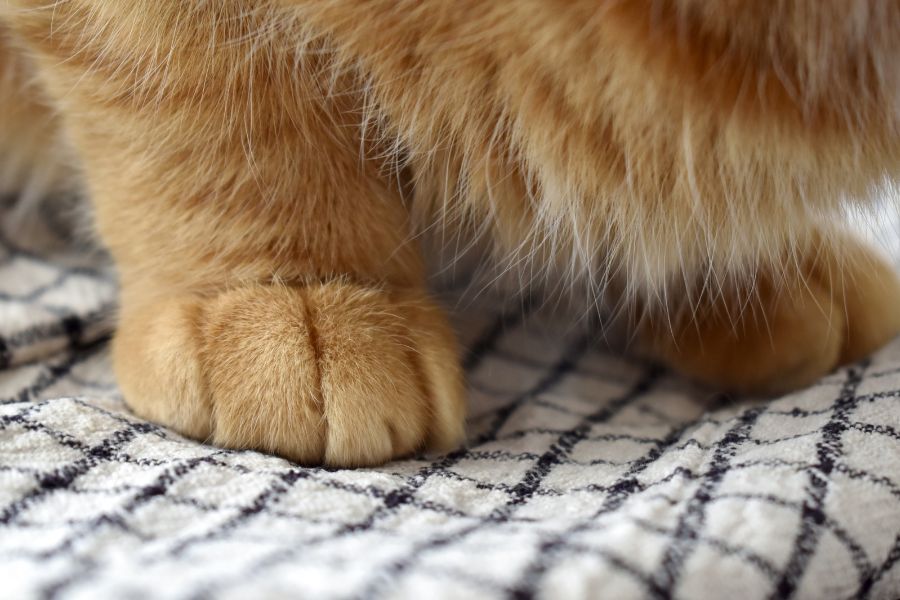
Cats possess scent glands in their paws. When they scratch, they leave both visible marks and scent signals.
This combination acts as a communication tool. The marks help cats establish territory and create a familiar environment. Even indoor cats often engage in territorial marking despite living alone.
Why Do Cats Scratch Furniture?
Many pet owners ask, “Why does my cat scratch the couch instead of the scratching post?”
The answer often comes down to preference. Cats are selective about scratching surfaces.
Furniture may appeal to cats because:
- The material offers satisfying resistance
- It is located in a frequently used area
- The height allows a full stretch
- It already carries family scents
- It provides strong visual marking opportunities
From a cat’s perspective, furniture may simply be the ideal scratching surface.
Emotional Reasons Cats Scratch
1. Stress Relief and Comfort
Scratching can help cats cope with emotional stress. Changes in the household may increase scratching behavior.
Common triggers include:
- Moving to a new home
- Introducing a new pet
- Changes in routine
- New family members
- Rearranging furniture
Scratching helps cats feel more secure by reinforcing familiar scent markers throughout their environment.
2. Excitement and Energy Release
Cats often scratch when excited. You may notice scratching before meals, during play sessions, or when greeting family members.
This behavior helps release excess energy and serves as an outlet for positive emotions.
How to Encourage Appropriate Scratching
1. Provide High-Quality Scratching Posts
The best way to prevent furniture scratching is to offer appealing alternatives.
Look for scratching posts that are:
- Tall enough for a full-body stretch
- Stable and sturdy
- Covered with sisal or textured material
- Located in high-traffic areas
Many cats prefer vertical scratching posts, while others enjoy horizontal scratchers.
2. Place Scratchers Strategically
Location matters. Placing a scratching post in a hidden corner may not attract your cat.
Position scratchers:
- Near sleeping areas
- Close to the favorite furniture
- Along common walking paths
- Near windows
Cats are more likely to use scratching surfaces that are integrated into their daily routines.
3. Use Positive Reinforcement
Reward your cat for using approved scratching surfaces.
You can encourage usage by:
- Offering treats
- Providing praise
- Using toys near the post
- Adding catnip when appropriate
Positive reinforcement creates a stronger association with desirable scratching locations.
Should You Be Concerned About Excessive Scratching?
Scratching is normal, but sudden changes in behavior deserve attention.
Contact your veterinarian if your cat shows:
- Obsessive scratching
- Signs of pain
- Limping
- Broken claws
- Behavioral changes
- Increased anxiety
A professional evaluation can help identify potential health or stress-related concerns. If you have questions about your cat’s behavior or overall wellness, scheduling a cat wellness care can provide valuable guidance.
Common Mistakes Cat Owners Make
Many owners unintentionally reinforce unwanted scratching.
Avoid:
- Punishing your cat
- Yelling or spraying water
- Removing all scratching opportunities
- Using unstable scratching posts
Punishment does not teach cats where they should scratch. It often increases fear and stress, which may worsen the problem.
Creating a Scratch-Friendly Home
The goal is not to eliminate scratching. The goal is to guide it toward acceptable surfaces.
A successful setup often includes:
- Multiple scratching posts
- Different scratching textures
- Consistent claw care
- Interactive play sessions
- Environmental enrichment
When cats have appropriate outlets for their instincts, unwanted scratching often decreases significantly.
Conclusion
Scratching is a healthy and essential part of feline behavior. It helps cats maintain their claws, stretch their bodies, communicate through scent, and manage emotions. Understanding why cats scratch allows owners to work with their cat’s instincts rather than against them.
By providing attractive scratching surfaces, using positive reinforcement, and addressing any underlying stress, you can protect your furniture while supporting your cat’s physical and emotional health. If you’re in Denver and would like personalized guidance about your cat’s behavior, wellness, or claw care needs, don’t hesitate to book an appointment with 5280 Veterinary Care.
Frequently Asked Questions(FAQs):
1. Why do cats scratch even when their claws are trimmed?
A: Trimming reduces claw length but does not remove the instinct to scratch. Cats still scratch to stretch muscles, mark territory, communicate through scent, and maintain emotional comfort within their environment.
2. At what age do cats start scratching?
A: Most kittens begin scratching naturally within the first few months of life. The behavior develops as they grow, explore their surroundings, strengthen muscles, and learn to maintain healthy claws.
3. Why does my cat scratch right after waking up?
A: Cats often scratch after sleeping because it helps stretch their muscles, increase flexibility, and prepare their bodies for activity. This behavior is similar to people stretching after resting.
4. Do indoor cats need scratching posts?
A: Yes. Indoor cats have the same natural scratching instincts as outdoor cats. Scratching posts provide a healthy outlet for claw maintenance, exercise, stress relief, and territorial marking.
5. Can stress cause increased scratching behavior?
A: Stress can lead to more frequent scratching. Cats often scratch more when facing changes in routine, new pets, unfamiliar visitors, or environmental disruptions that affect their sense of security.
6. What type of scratching post do most cats prefer?
A: Many cats prefer sturdy vertical posts covered with sisal that allow a full-body stretch. Preferences vary, so offering both vertical and horizontal scratching surfaces often produces the best results.