



Loose stools can turn an ordinary day with your cat into a stressful one. Cat diarrhea may come from a minor food change, parasites, stress, infection, medication, or an underlying illness. This guide explains common causes, safe home care, signs that need prompt attention, and what a professional evaluation may involve.
What Does Cat Diarrhea Look Like?
Diarrhea means stools are softer, wetter, or more frequent than usual. Some cats pass watery stool, while others produce pudding-like feces. You may notice mucus, an unusual odor, straining, urgency, or accidents outside the litter box.
Watch the pattern rather than judging one episode alone. Note how often your cat goes, what the stool looks like, recent diet changes, medications, and changes in appetite or behavior.
Common Causes of Cat Diarrhea
Food Changes and Dietary Upset
A sudden switch in food, table scraps, rich treats, spoiled food, or unusual food can upset a cat’s digestive system. Food sensitivities can cause recurring upset.
Parasites and Infections
Intestinal parasites such as Giardia, roundworms, and coccidia can cause diarrhea. Bacterial or viral infections may produce diarrhea with vomiting, low energy, fever, or poor appetite.
Stress
Moving, visitors, boarding, a new pet, household changes, or other stressful events can affect digestion. Stress-related diarrhea can occur despite normal appetite and behavior.
Medications and Health Conditions
Antibiotics and other medications can alter normal gut bacteria. Persistent diarrhea needs assessment.
What Can You Give a Cat With Diarrhea?
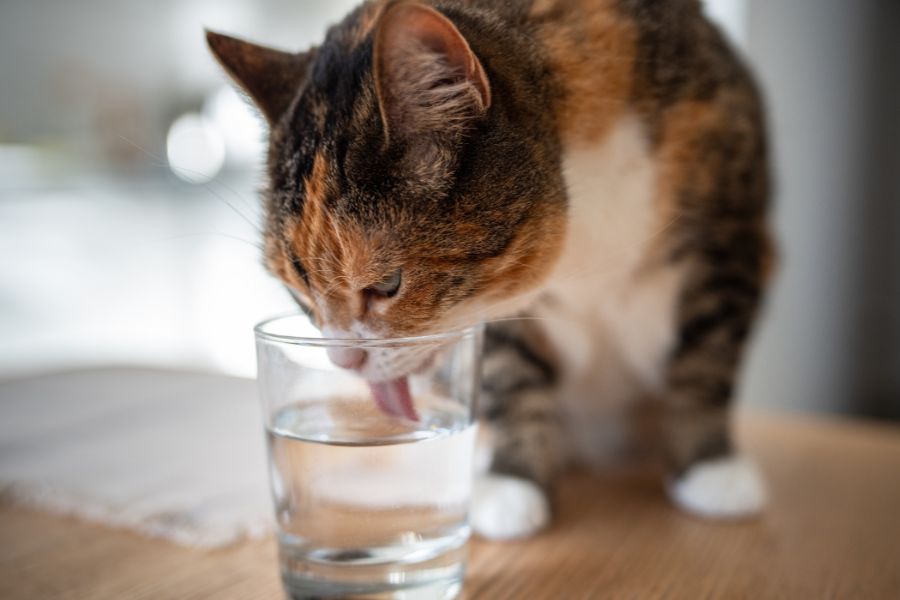
For a healthy adult cat with mild diarrhea and normal behavior, offer fresh water unless a professional advises a dietary change.
Do not give human anti-diarrheal medicines, pain relievers, or leftover prescriptions without guidance. Probiotics formulated for cats may help certain digestive problems, but product choice and dosing should be discussed with a veterinarian.
Kittens, senior cats, pregnant cats, and cats with existing health problems can become dehydrated or unwell faster. These cats need earlier professional advice.
Cat Diarrhea Remedies and Home Care
Track your cat’s stool, appetite, water intake, energy, and bathroom habits. Clean the litter box regularly so you can monitor changes accurately. Wash your hands after handling feces.
Keep your cat indoors while symptoms continue. Avoid new foods, treats, milk, fatty foods, and sudden diet experiments.
A bland diet is sometimes recommended by professionals, but cats have specific nutritional needs, so do not create a prolonged homemade diet without guidance.
Save a fresh stool sample if an appointment may be needed. A sample can help identify parasites.
When Should You Worry About Cat Diarrhea?
Contact a veterinarian if diarrhea lasts more than a day, keeps returning, or occurs with vomiting, poor appetite, weakness, weight loss, pain, fever, or dehydration. Blood in stool deserves attention.
Black, tarry stool can indicate digested blood and requires prompt care. Repeated watery diarrhea can cause fluid loss quickly. A kitten with diarrhea should be assessed sooner because young cats have less reserve.
Seek urgent care if your cat collapses, has severe weakness, cannot keep water down, shows significant abdominal pain, has pale gums, passes a large amount of blood, or may have swallowed a toxin or foreign object. If you need help locating a veterinarian near you, choose a clinic that can assess digestive emergencies.
How Is Cat Diarrhea Diagnosed?
A professional may ask about diet, lifestyle, medications, parasite exposure, vaccination history, recent travel, and symptom timing. The examination may include checking hydration, temperature, weight, abdomen, and condition.
Testing depends on the situation. A fecal test can look for parasites. Bloodwork may help evaluate dehydration, infection, organ function, or other conditions.
Treatment targets the cause, not diarrhea alone. Care may include fluids, diet changes, parasite treatment, medication, or management of an underlying condition.
Can Cat Diarrhea Be Prevented?
Feed a consistent, complete diet and introduce food changes gradually. Keep garbage, toxic substances, medications, string, and small objects out of reach. Follow professional advice on parasite prevention.
Good litter-box hygiene matters. Clean, accessible boxes help owners notice abnormal stool sooner.
Signs of Dehydration
Diarrhea can reduce fluid levels, especially when stools are frequent or vomiting occurs. Watch for reduced drinking, dry or sticky gums, unusual tiredness, sunken-looking eyes, or less urine. These signs need prompt advice because cats may hide illness until dehydration becomes significant.
What Information Should You Tell the Veterinarian?
Write down when the diarrhea started, how many episodes occurred, stool color and consistency, appetite, drinking, urination, energy, and any vomiting. Mention new foods, treats, medications, supplements, household changes, outdoor access, hunting, and possible exposure to chemicals or plants.
Do not delay care while trying to collect a perfect sample at the clinic if your cat has severe symptoms.
The Bottom Line
Cat diarrhea has many possible causes, and the appearance of the stool alone cannot identify the problem. Mild, short-lived symptoms may settle with careful monitoring and appropriate feeding. Persistent, severe, bloody, or recurring diarrhea needs professional evaluation. Prompt attention is especially important for kittens, older cats, and cats with other health concerns. Knowing your cat’s normal bathroom habits gives you an early signal when something changes.
Frequently Asked Questions(FAQs):
1. Is cat diarrhea an emergency?
A: Mild diarrhea in a healthy adult cat is not always an emergency. Repeated watery stool, blood, black stool, vomiting, weakness, dehydration, severe pain, or diarrhea in a young kitten warrants prompt professional advice.
2. How long can cat diarrhea last?
A: A single episode may resolve within a day. Diarrhea continuing beyond 24 hours, recurring frequently, or accompanied by appetite loss, vomiting, lethargy, weight loss, or blood should be evaluated by a professional.
3. Can I give my cat Pepto-Bismol for diarrhea?
A: Do not give Pepto-Bismol or other human stomach medicines unless a veterinarian specifically recommends them. Human products can contain ingredients cats should not receive and may complicate assessment of the underlying problem.
4. Should I stop feeding my cat during diarrhea?
A: Do not routinely withhold food from cats without professional guidance. Cats need regular nutrition, and prolonged fasting can create additional health risks. Small, appropriate meals may be preferable when appetite remains normal.
5. Why does my cat have diarrhea but seem fine?
A: Cats can remain active during mild digestive upset caused by diet changes, stress, or parasites. Normal behavior does not rule out illness. Monitor stool, appetite, hydration, and frequency, and seek advice if symptoms persist.
6. What does blood in cat diarrhea mean?
A: Bright red blood may come from irritation in the lower digestive tract, while black, tarry stool can indicate digested blood. Either finding deserves attention when persistent, substantial, or paired with vomiting, weakness, pain, or appetite loss.