We are Hiring! Join Our Team.


How Often Should Cats Really See the Vet?



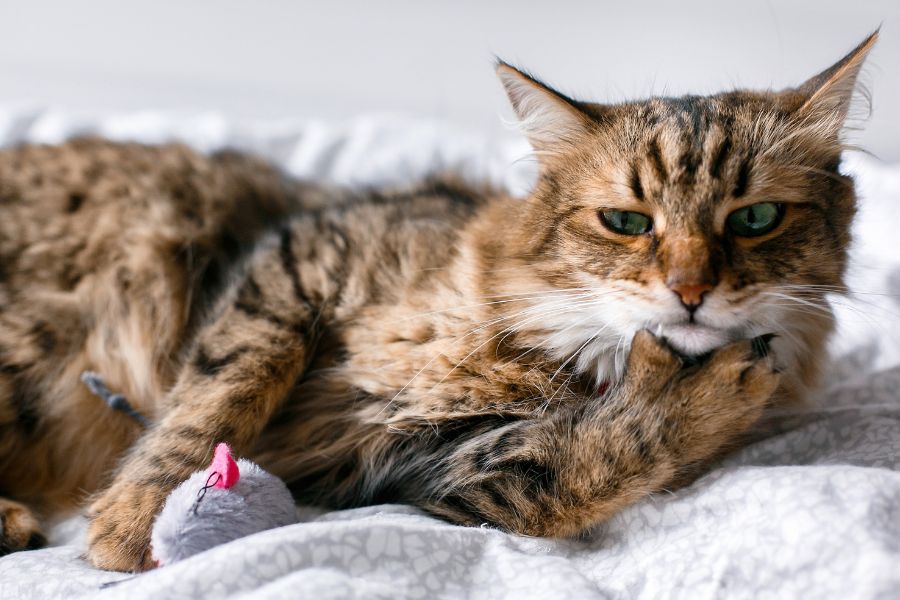
Your cat seems perfectly healthy. They eat well, sleep comfortably, play with their favorite toys, and show no obvious signs of illness. So, do they really need another vet visit this year?
It’s a question many cat owners ask, especially when their pets spend most of their time indoors. The truth is that cats are remarkably good at hiding discomfort. A cat can appear healthy while developing dental problems, kidney disease, or other conditions that are difficult to notice at home.
Most healthy adult cats should see the vet at least once a year. Kittens need several visits during their first year, while senior cats generally benefit from checkups every six months. Cats with ongoing medical conditions may need more frequent appointments.
Understanding how often cats need checkups, what happens during these visits, and which warning signs require attention can help you make informed decisions about your cat’s health.
How Often Should Cats Go to the Vet?
There isn’t one appointment schedule that works for every cat. Age, lifestyle, medical history, and overall health determine how frequently your pet needs an examination.
Here’s a general guideline:
| Cat’s Life Stage | Recommended Vet Visit Frequency |
|---|---|
| Kittens (Birth to 12 Months) | Every 3–4 weeks during the initial vaccination series, with additional visits as needed |
| Adult Cats (1–6 Years) | At least once every 12 months |
| Mature Cats (7–10 Years) | At least once a year; more frequent visits based on health |
| Senior Cats (Over 10 Years) | Every 6 months |
| Cats With Chronic Health Conditions | As recommended based on their medical needs |
These recommendations provide a starting point. Your cat’s individual health needs may require a different schedule.
How Often Should Kittens See the Vet?
Bringing home a kitten is exciting, but those first few months involve more than choosing food, toys, and a comfortable sleeping spot.
Kittens need several health visits because their bodies are still developing, and their immune systems need protection against common infectious diseases.
The First Kitten Visit
Ideally, kittens should receive their first health examination around six to eight weeks of age, or shortly after adoption if they haven’t already been examined.
During this appointment, the care team typically checks:
- Body weight and overall growth
- Eyes, ears, nose, and mouth
- Heart and lung function
- Skin and coat condition
- Signs of intestinal parasites
- Nutritional needs
- Vaccination history
Your kitten may also need parasite testing, deworming, and preventive treatments based on their age and risk factors.
Kitten Vaccination Schedule
Core kitten vaccines generally begin around six to eight weeks of age, with additional doses given every three to four weeks until at least 16 weeks of age.
These vaccines help protect against serious diseases, including feline panleukopenia, feline herpesvirus, and feline calicivirus.
Rabies vaccination timing depends on local laws, vaccine labeling, and your kitten’s age.
Your care provider may recommend feline leukemia vaccination based on current guidelines and your kitten’s circumstances.
Additional appointments may cover spaying or neutering, microchipping, and growth assessments.
Why are so many visits necessary? Young kittens are more vulnerable to certain infections, and their protection develops through a carefully timed vaccination series.
How Often Should Adult Cats See the Vet?
Once your cat reaches adulthood, the appointment schedule usually becomes simpler.
Healthy adult cats between one and six years old should receive a complete health examination at least once every year.
Some owners assume that an annual appointment is unnecessary when their cat appears healthy. However, preventive checkups are not only about identifying obvious illnesses.
They also help establish a record of your cat’s normal health.
What Happens During an Annual Cat Checkup?
A routine examination may include:
- Measuring weight and assessing body condition
- Checking teeth and gums
- Listening to the heart and lungs
- Examining the eyes and ears
- Feeling the abdomen for unusual changes
- Checking skin and coat health
- Evaluating movement and joint comfort
- Reviewing eating, drinking, and bathroom habits
- Discussing vaccinations and parasite prevention
Blood tests, urine tests, or other screenings may be recommended depending on your cat’s health history and risk factors.
These visits also provide an opportunity to discuss behavioral concerns, nutrition, weight management, and changes in daily routines.
Do Indoor Cats Really Need Annual Vet Visits?
Yes. Indoor cats still need regular health examinations.
Living indoors reduces exposure to certain injuries, parasites, and infectious diseases, but it does not eliminate the risk of illness.
Indoor cats can develop:
- Dental disease
- Obesity
- Diabetes
- Kidney disease
- Arthritis
- Heart conditions
- Urinary problems
- Skin disorders
Indoor cats may also become less active, increasing their risk of weight gain.
Even when your cat never steps outside, an annual examination remains an important part of maintaining their health.
How Often Should Senior Cats See the Vet?
As cats grow older, their health needs change.
Cats over 10 years old generally benefit from examinations every six months. Some cats need more frequent monitoring, especially when managing chronic conditions.
Why does the schedule become more frequent?
Older cats have a greater risk of developing conditions that may progress without obvious symptoms.
Common Health Concerns in Senior Cats
Some conditions that become more common with age include:
- Kidney disease: Increased thirst, frequent urination, reduced appetite, and weight loss can indicate kidney problems.
- Hyperthyroidism: An overactive thyroid gland can cause weight loss despite an increased appetite, restlessness, and excessive thirst.
- Arthritis: Older cats may stop jumping onto furniture, avoid stairs, or struggle to enter high-sided litter boxes.
- Dental disease: Painful teeth and gums can affect eating habits, grooming, and overall comfort.
- Diabetes: Increased thirst, frequent urination, weight changes, and reduced energy can signal diabetes.
- High blood pressure: This condition may develop alongside other illnesses and can affect the eyes, kidneys, and other organs.
Regular senior examinations help identify changes before they seriously affect your cat’s quality of life.
What Tests Do Senior Cats Need?
Depending on your cat’s condition, the care team may recommend blood work, urine testing, blood pressure measurements, and thyroid screening.
These tests help assess organ function and identify health concerns that may not be visible during a physical examination.
Not every senior cat needs every test at every appointment. Screening recommendations should reflect their medical history, examination findings, and individual risk factors.
Signs Your Cat Needs a Vet Visit Before Their Next Checkup
Routine appointments are important, but you should never wait for a scheduled examination when your cat develops concerning symptoms.
Cats often hide discomfort until an illness becomes more advanced.
Knowing what to watch for can make a meaningful difference.
1. Changes in Eating Habits
Has your cat suddenly stopped eating their favorite food?
A reduced appetite can result from dental pain, digestive problems, infections, or other illnesses.
A noticeable increase in appetite, especially with weight loss, also deserves attention.
Contact your care provider promptly if your cat stops eating. Going without food can become dangerous for cats.
2. Increased Thirst or Urination
Drinking more water than usual is not always harmless.
Kidney disease, diabetes, and thyroid problems can cause noticeable changes in thirst and urination.
Pay attention to how often you refill the water bowl and whether the litter box contains larger or more frequent urine clumps.
3. Sudden Behavioral Changes
A normally affectionate cat may suddenly hide under furniture or avoid interaction.
Other concerning changes include:
- Unusual aggression
- Excessive vocalization
- Reduced interest in play
- Restlessness
- Changes in sleeping habits
- Avoiding familiar people
Behavioral changes can be associated with pain, stress, or underlying illness.
4. Vomiting or Diarrhea
An occasional episode of vomiting does not always indicate a serious condition.
Repeated vomiting, ongoing diarrhea, blood in vomit or stool, or digestive problems accompanied by weakness require medical attention.
Persistent digestive symptoms can lead to dehydration and may indicate an underlying disease.
5. Changes in Litter Box Habits
Litter box changes can provide important clues about your cat’s health.
Straining to urinate, frequent trips to the litter box, blood in the urine, or urinating outside the box should never be ignored.
A cat that strains but produces little or no urine needs emergency medical attention. Urinary blockage can become life-threatening, particularly in male cats.
Other emergency warning signs include difficulty breathing, collapse, seizures, and sudden severe weakness.
Why Regular Vet Visits Matter Even When Your Cat Seems Healthy
Wouldn’t it be easier to schedule appointments only when your cat becomes sick?
It might seem convenient, but waiting for visible symptoms can allow certain conditions to progress unnoticed.
Routine examinations offer several benefits.
1. Early Detection of Health Problems
Many illnesses begin with subtle changes.
A small amount of weight loss, mild dental inflammation, or a change in kidney values may not affect your cat’s daily behavior immediately.
Regular assessments can help identify these concerns earlier.
2. Better Weight Management
Obesity is a common health concern in cats.
Extra weight increases the risk of diabetes, joint discomfort, and other complications.
Monitoring your cat’s weight over time helps identify gradual changes and supports appropriate feeding recommendations.
3. Dental Health Monitoring
Cats can develop painful dental conditions without showing obvious signs.
Some continue eating despite significant oral discomfort.
Regular mouth examinations help identify problems that may require further evaluation or treatment.
4. Personalized Preventive Care
Vaccination needs, parasite prevention, and screening recommendations can change as your cat ages.
Routine visits allow these recommendations to be adjusted based on lifestyle, health status, and exposure risks.
How to Make Vet Visits Less Stressful for Your Cat
Does your cat disappear the moment the carrier comes out?
You’re not alone. Many cats associate carriers and car rides with unfamiliar sounds, smells, and experiences.
A few simple changes can help make appointments easier.
1. Make the Carrier Familiar
Keep the carrier in a quiet area of your home rather than storing it away.
Place a soft blanket inside and allow your cat to explore it voluntarily.
Offering treats near or inside the carrier can help create a more positive association.
2. Practice Short Car Rides
If your cat becomes anxious during travel, begin with brief sessions in a parked car.
Gradually introduce short rides when your cat appears comfortable.
Keep the carrier secure during transportation.
3. Choose a Quiet Appointment Time
Ask whether quieter appointment times are available.
A less crowded waiting area may help reduce stress for cats that are sensitive to unfamiliar animals and noises.
4. Discuss Severe Anxiety Before the Visit
Some cats experience significant distress during travel or examinations.
If your cat has a history of severe anxiety, discuss the problem before the appointment. Your care team can recommend appropriate handling strategies and, when necessary, prescribed medication.
Never give your cat human anxiety medication without medical guidance.
Conclusion: How Often Does Your Cat Really Need a Checkup?
Your cat’s age, health, and lifestyle determine how often they should visit the vet. Kittens need frequent appointments during their first few months, healthy adult cats generally need annual examinations, and senior cats benefit from checkups every six months.
Cats with chronic illnesses or new symptoms may need more frequent visits.
The most important thing to remember is that looking healthy does not always mean being free from illness. Cats are naturally good at hiding pain and discomfort, making routine examinations an important part of responsible pet ownership.
Regular veterinary care helps monitor your cat’s health, identify developing problems, and support their comfort throughout every life stage.
Pay attention to changes in appetite, weight, behavior, mobility, and litter box habits. These everyday observations can provide valuable information about your cat’s well-being.
If your cat is due for a routine checkup or showing unusual symptoms, book an appointment with your local animal hospital to discuss their individual health needs.
Frequently Asked Questions(FAQs):
1. How often should a healthy indoor cat see the vet?
A: Healthy indoor adult cats should have a checkup at least once a year. Indoor living does not prevent dental disease, obesity, kidney problems, or other illnesses. Senior indoor cats generally benefit from examinations every six months.
2. Do cats need yearly vaccinations?
A: Not every cat needs every vaccine annually. Booster schedules depend on the vaccine, previous doses, lifestyle, health status, and local requirements. Your cat still needs regular health examinations even when vaccinations are not due.
3. At what age is a cat considered a senior?
A: Cats are generally considered seniors around 10 years of age. Aging varies between individuals, so health needs should be evaluated separately. Older cats benefit from closer monitoring because several chronic conditions become more common with age.
4. Should I take my cat to the vet if they seem perfectly healthy?
A: Yes. Cats often hide early signs of illness, making routine examinations valuable even when their behavior appears normal. Regular checkups can identify changes in weight, dental health, organ function, and overall physical condition.
5. How much does a routine cat vet visit cost?
A: The cost depends on your location, clinic, and services provided. A basic examination is generally less expensive than a visit that includes vaccinations, blood tests, or additional procedures. Request an estimate before the appointment to understand potential expenses.